Kevin C. Greenaugh Award

The Kevin C. Greenaugh AwardKGA

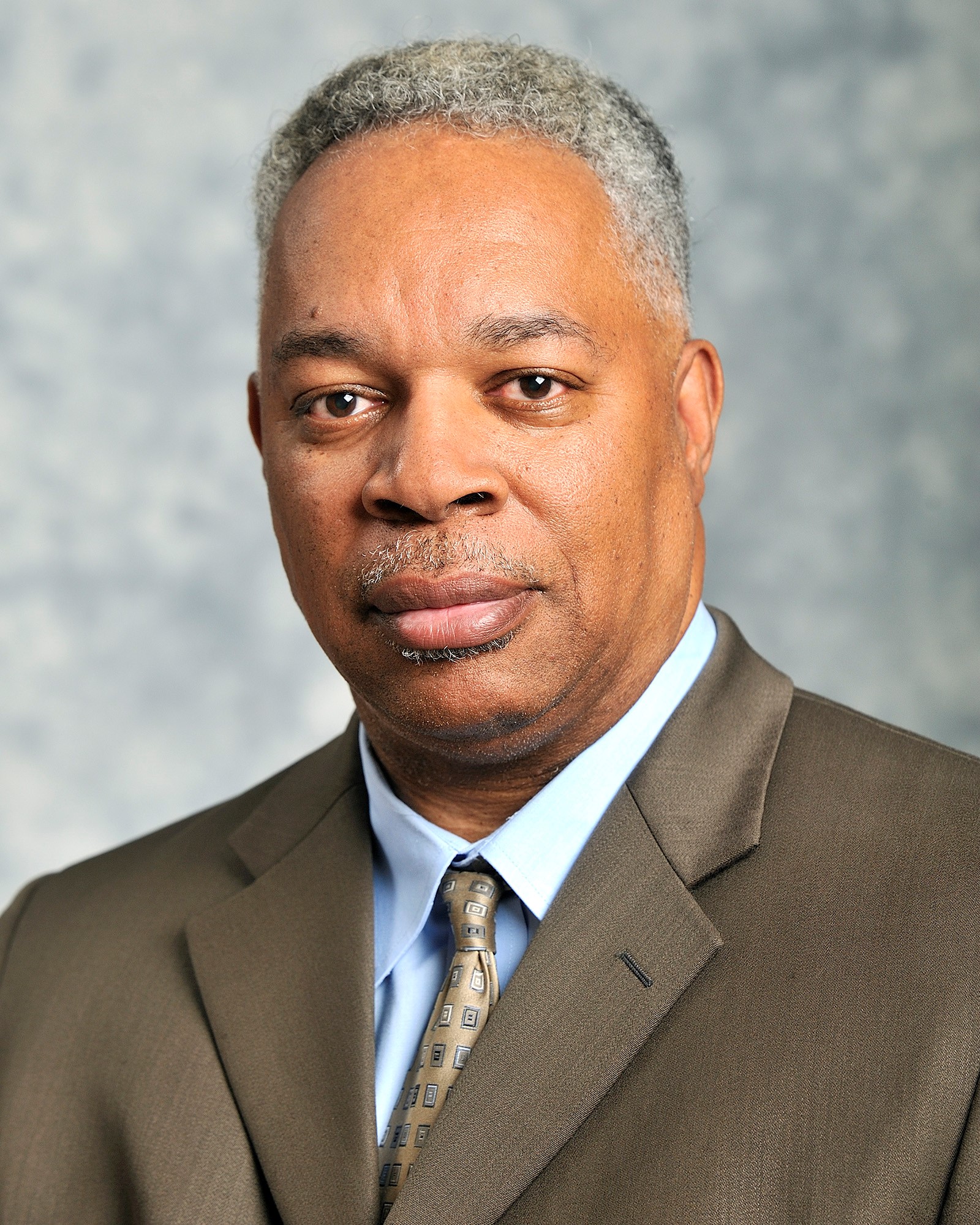
A prominent nuclear engineer who helped shape U.S. science and technology policy through a senior leadership role at the National Nuclear Security Administration (NNSA), Kevin C. Greenaugh Ph.D. ’98  most recently as Chief Science and Technology Officer, Defense Programs. His work ensured our country’s national security through several programs for which he made significant contributions, including nuclear deterrence and counter-terrorism.  

Dr. Greenaugh also made history as the first Black doctoral graduate in nuclear engineering at the A. James Clark School of Engineering. By breaking that barrier, he set an example that decades of future engineers have followed.

In recognition of Dr. Greenaugh’s groundbreaking achievements, his remarkable 35-year career in federal service, and his many technical contributions which demonstrate engineering’s powerful potential for good, the A. James Clark School of Engineering is honored to announce the Kevin C. Greenaugh Award.

Consideration will be given to individuals who demonstrate both: 

  • Leadership and Professional Achievements particularly in federal or state agencies, public service organizations or other initiatives that address societal grand challenges.
  • Technical Impact on addressing critical national priorities, economic advancement, or innovations that position the United States as the global leader. 

Eligibility:

  • Demonstrated excellence in technical contributions, leadership, and service for a minimum of 15 years in their career field.
  • Awardee must be able attend the Celebration of Philanthropy, Leadership and Service on November 13, 2025
  • Nominees cannot be currently running for elected state or federal public office. 
  • University of Maryland College Park alumni and those with ties to the State of Maryland and/or the National Capital area are encouraged to apply. 
  • Nominations are welcomed from both individuals themselves (self-nominations) and from others who wish to recognize someone for their achievements.
  • Nominations will be accepted through June 22, 2025

Nominations for the Martin Medal and Greenaugh Award are carefully considered through a confidential review process. The review process includes a panel of engineering experts appointed by the A. James Clark School of Engineering. The selection process does not include interviews; decisions are made solely based on the submitted nomination packages. All decisions are final.


Submit a nomination


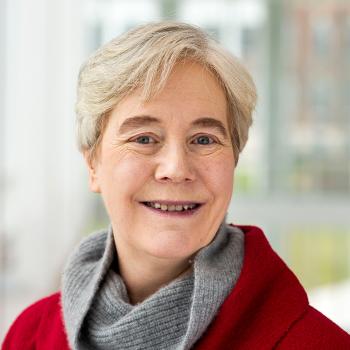
Ellen D. Williams, Ph.D.

Ellen Williams is a Distinguished University Professor Emerita and the recent Director of the Earth Systems Science Interdisciplinary Center (ESSIC) at the University of Maryland.  She has been a member of the University of Maryland faculty since 1981, with a leave of absence from the University to work in industry and then in government from 2010-2017.  Before returning to the University in January of 2017, she served as the Director of the Advanced Research Projects Agency, ARPA-E, which advances high-potential, high-impact energy technologies that are too early for private-sector investment.


Prior to Senate confirmation for her role in ARPA-E, Williams had been the Chief Scientist at BP (2010-2014), and a Distinguished University Professor in the Institute of Physical Science and Technology and the Department of Physics at the University of Maryland.  At Maryland she established an internationally recognized research program in experimental surface science, exploring fundamental issues in statistical mechanics and nanotechnology. She founded and then led the University’s interdisciplinary Materials Research Science and Engineering Center from 1996 through 2009.  After returning to campus in 2017, she worked with colleagues in the College of Engineering and the School of Public Policy to advance technical innovation in the development use of clean energy.  At ESSIC, she was responsible for a collaborative (NASA, NOAA and UMD) program of research on the analysis and integration of data from earth-observing satellites, with application of the results to forecast changes in the global environment and associated regional implications.  In 2024 she retired from her faculty position at Maryland, and remains affiliated as a Distinguished University Professor Emeritus.  She continues to work on clean energy issues on advisory boards for the MIT Energy Initiative, Clean Energy Ventures, Climate Vault and the Global CO2 Initiative (U. of Michigan).  


Williams is a member of the National Academy of Sciences, the American Academy of Arts and Sciences, a foreign member of the Royal Society (London), and a fellow of the American Association for the Advancement of Science.  She has a distinguished history of professional service in clean energy and national security topics.
 

David M. Van Wie, Ph.D.

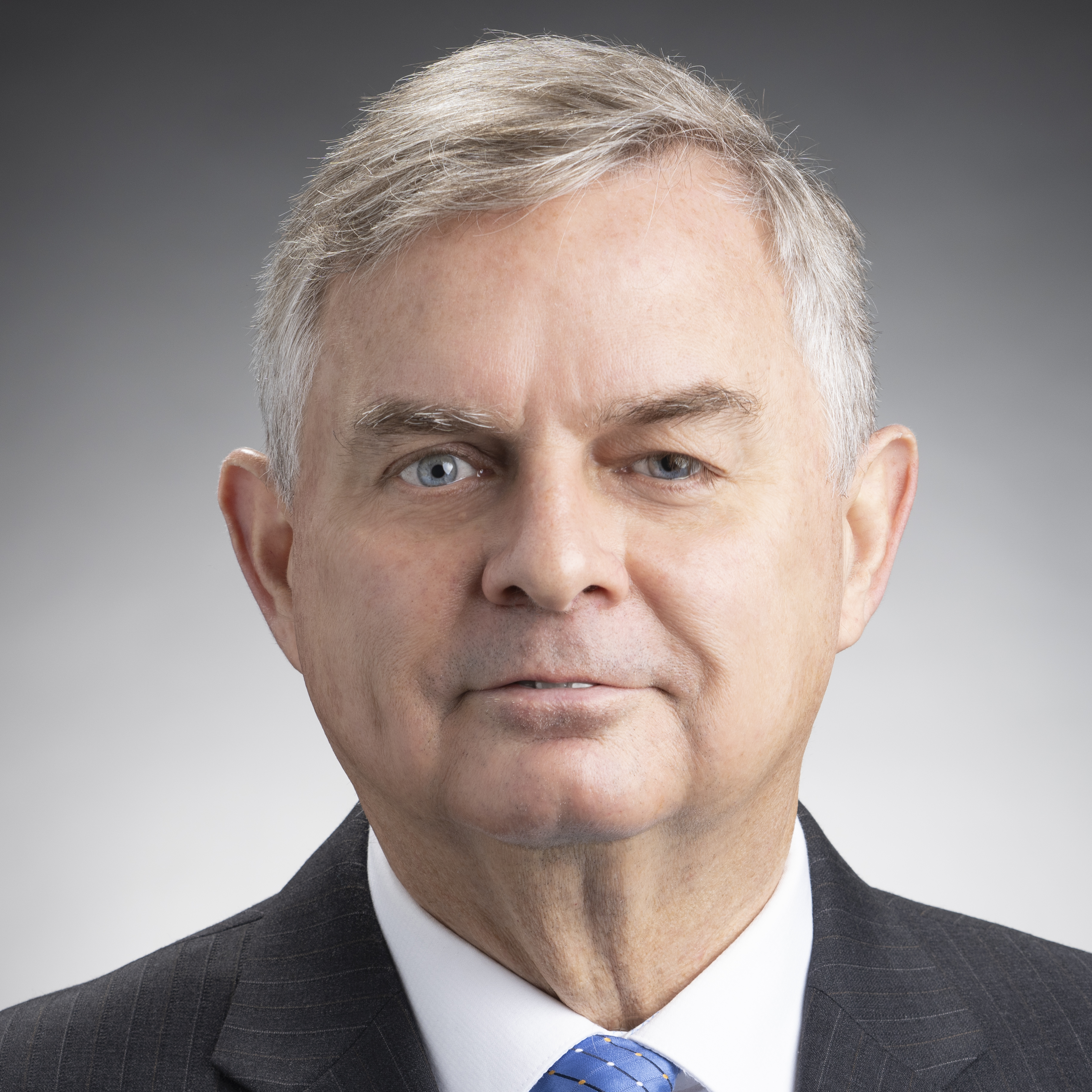
Dr. David Van Wie is the Head of the Johns Hopkins University Applied Physics Laboratory (JHU/APL) Air and Missile Defense Sector responsible for executing $500M/year in programs advancing the Nation’s ability to defend against threats to the U.S. homeland, forward-deployed forces, allies, and partners. Prior to his current appointment, Dr. Van Wie served as Mission Area Executive for Precision Strike advancing weapon development, electromagnetic spectrum dominance, and novel long-range detection and targeting systems. He has published extensively in the fields of hypersonics, high-temperature fluid dynamics, airbreathing propulsion, and plasma aerodynamics and has lectured in the Department of Aerospace Engineering at the University of Maryland in the areas of aerodynamics and propulsion. He is currently a member of the Defense Science Board and holds a research faculty position in the Department of Mechanical Engineering at Johns Hopkins University. He has been recognized for sustained contributions by the Joint Army, Navy, NASA, and Air Force (JANNAF) Airbreathing Propulsion Subcommittee, was a recipient of the Air Force Award for Meritorious Civilian Service for his work on the Air Force Scientific Advisory Board, and was elected into Academy of Distinguished Alumni of the University of Maryland Department of Aerospace Engineering. In 2021, Dr. Van Wie presented the AIAA Theodore Von Karman Lecture in Astrodynamics. Dr. Van Wie in a member of the National Academy of Engineering and a fellow of the American Institute of Aeronautics and Astronautics (AIAA). 

Dr. David Van Wie earned his B.S. (Summa Cum Laude), M.S., and Ph.D. degrees in aerospace engineering from the University of Maryland, as well as an M.S. degree in electrical engineering from Johns Hopkins University.


Top