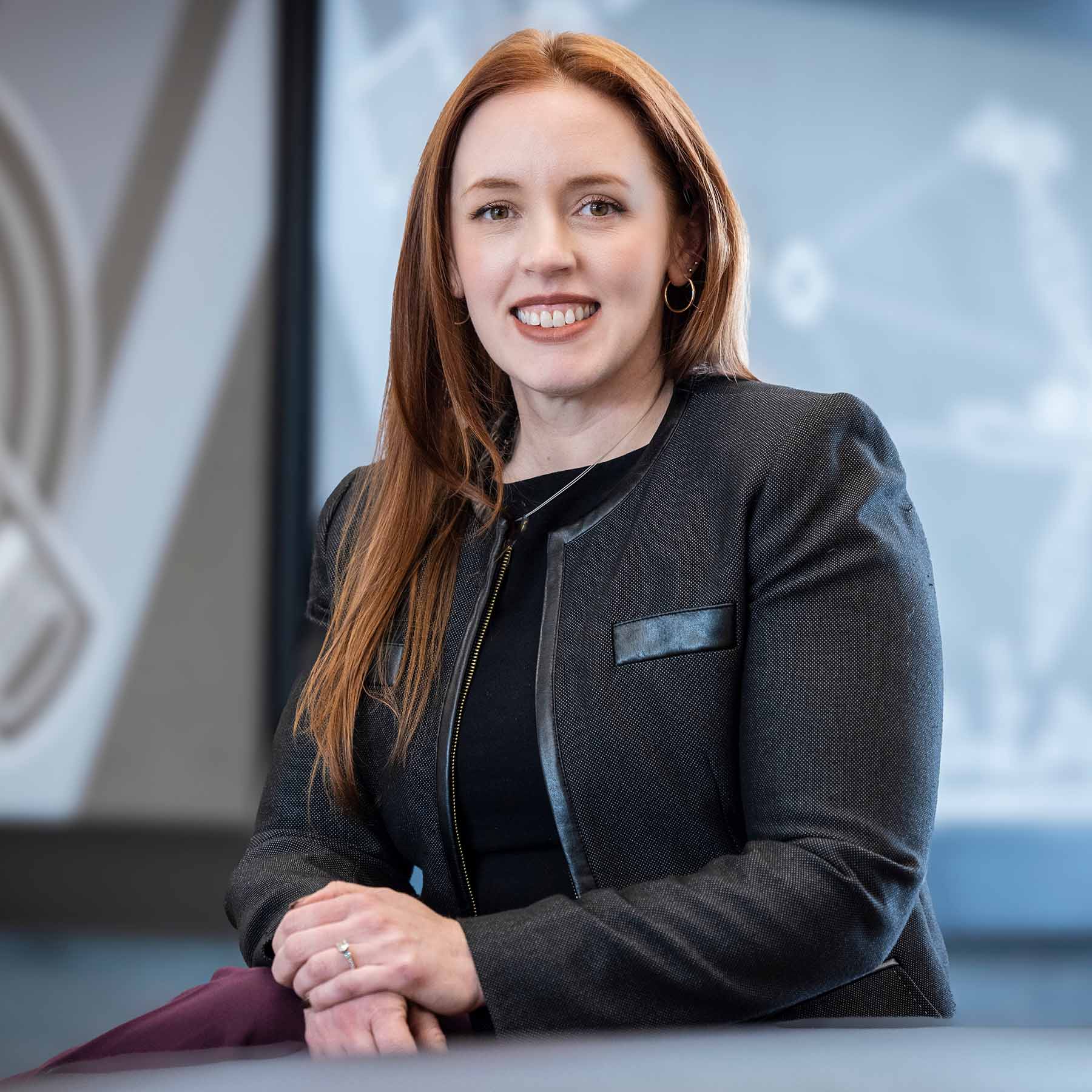
 Sarah Adams is the program manager for Alternative Computing Paradigms in the Research and Exploratory Development Mission Area at the Johns Hopkins Applied Physics Laboratory. She leads a diverse research portfolio spanning quantum information science, computational architectures, and trustworthy computing. Building on her background in materials science, Adams’ career has spanned fundamental physics, hardware security, and electronics innovation, contributing to advancements in cryogenic studies, printed photonics, and additive energetics. Leveraging over a decade of project and program management experience, Adams drives high-impact research at the intersection of science, technology, and national security.
Early Career Distinguished Alumni Society
 Dean Samuel Graham, Jr. is pleased to announce the Early Career Distinguished Alumni Society Class of 2026. The Clark School is proud to recognize the innovations, leadership, and impact made by the Clark School’s third class of Early Career Distinguished Alumni Society inductees. These 24 alumni are at the forefront of their respective fields and have demonstrated excellence in leadership, innovation, entrepreneurship and/or service.
View photos from the 2026 induction ceremony here.
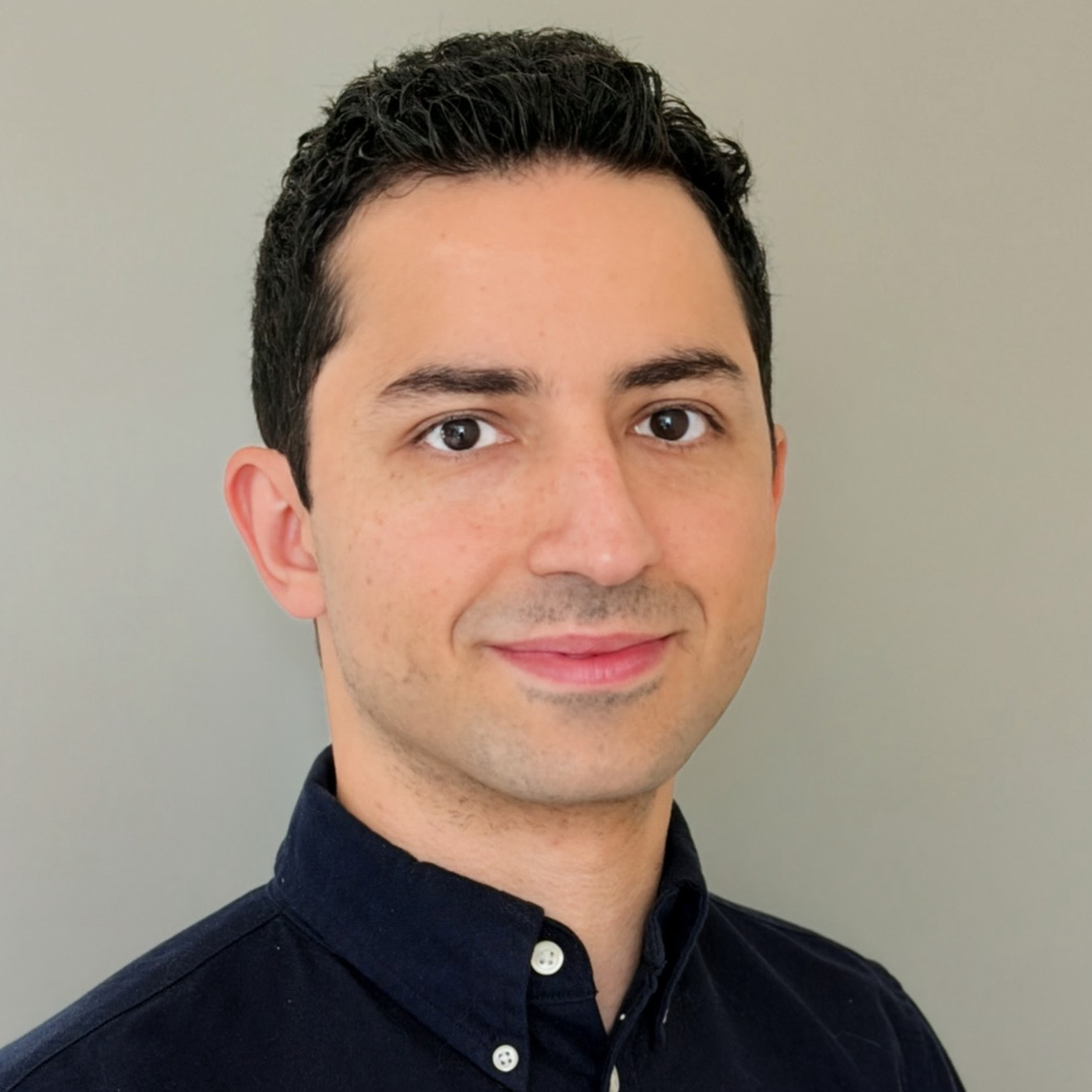 Shahriar Aghaeimeibodi is a Research Science Manager at the AWS Center for Quantum Computing, where he leads a team of seven researchers focused on superconducting qubit design and quantum error correction. His team’s work directly contributed to the development of Ocelot, Amazon’s first quantum computing chip—a breakthrough published in Nature (2025) demonstrating hardware-efficient quantum error correction via concatenated bosonic cat qubits. AWS estimates this architecture could reduce error correction overhead by up to 90%.
Aghaeimeibodi earned his Ph.D. in Electrical Engineering from the University of Maryland, College Park, under the supervision of Prof. Edo Waks, where his dissertation on integrated quantum photonic devices pioneered hybrid integration methods for on-chip quantum photonics. He subsequently served as a Bloch Postdoctoral Fellow at Stanford University’s Q-FARM. With 59 publications and over 2,100 citations, his research spans quantum computing, quantum photonics, nanophotonics, and quantum information. He holds a B.S. in physics and electrical engineering from Sharif University of Technology.
 Adam Behrens is the Co-Founder and CEO of Mori, a company that enhances food resilience using a natural and edible protein derived from silk. Mori Silk™ can be integrated at any stage, from farm to shelf, optimizing the growth, processing, packaging, transportation, and enjoyment of various food products. In addition to his role at Mori, Adam serves as a Board Member at Hyperion Biosystems, a medical diagnostics company. He has dedicated his career to developing and translating technologies in food, agriculture, healthcare, and nutrition. He has authored over 20 publications and holds numerous patents. Previously, he was a postdoctoral associate in the Langer Lab at MIT, where he managed projects aimed at improving healthcare and nutrition in developing countries. In 2017, he was recognized on the Forbes 30 Under 30 list. Behrens holds a B.S in Chemical Engineering and a Ph.D. in Bioengineering from the University of Maryland's Kofinas Lab.
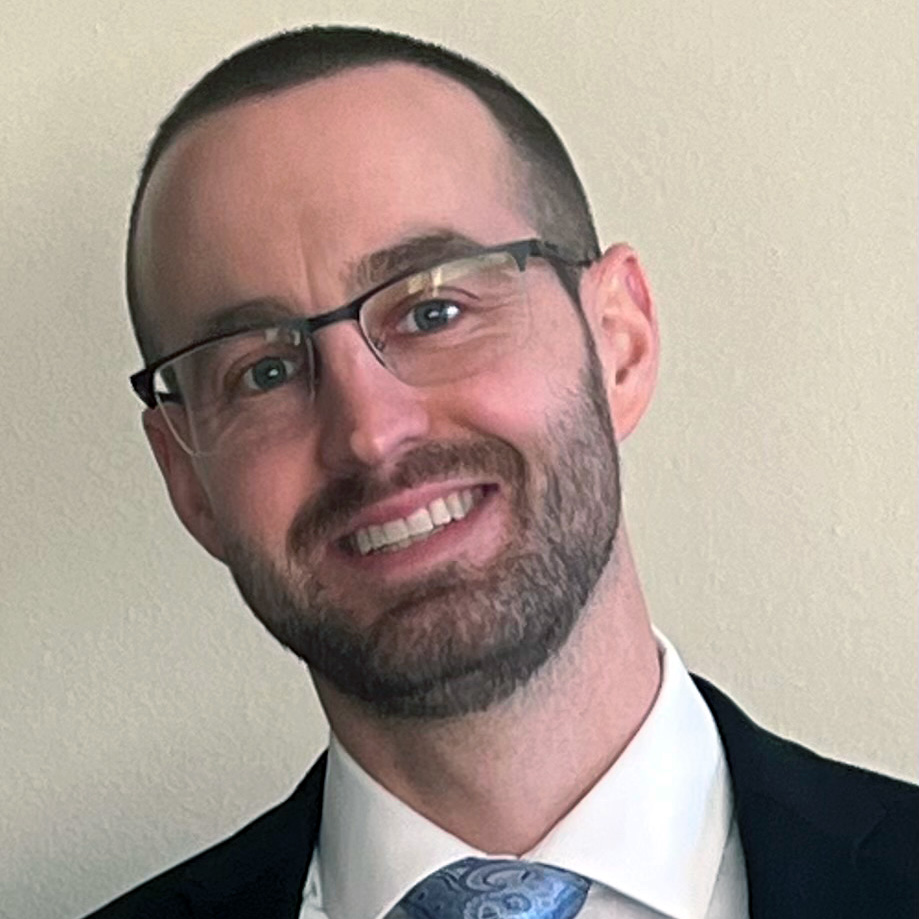 Tom Brodrick serves as the Deputy Chief of Staff for Naval Surface Warfare Center (NSWC) Carderock Division (rotation from November 2025 - March 2026), a Naval Support Facility which hosts over 3000 personnel. In this position, Brodrick oversees the execution of critical tasking related to the maintenance and continued operations of NSWC Carderock. He is also responsible for interfacing and providing time critical updates to leadership at NSWC Carderock Division and NAVSEA. Prior to and following this rotation, Brodrick acted as a senior engineer for NAVSEA, specifically managing shock survivability for the Navy. In this role, Brodrick oversees the technical work for approximately 20 engineers and serves as their technical team leader and approval authority.
Previous to his shock survivability role, Brodrick was the Ship Design Manager for VIRGINIA Class Submarines. During this time, Brodrick also served as an Adjunct Professor for the A. James Clark School of Engineering Keystone Program, where he taught Dynamics and Mechanics II from 2014 to 2022. Brodrick holds a B.S. degree in Mechanical Engineering (’09) and a M.S. degree in Mechanical Engineering (’10) from the University of Maryland, College Park.
 Yedukondala Narendra Dwith Chenna is an Artificial Intelligence engineer and emerging leader specializing in Edge AI, efficient inference, and hardware-aware model optimization. In 2026, he joined Qualcomm’s Advanced Robotics Team as Physical AI Model Optimization Lead. Prior to that, he was a Member of Technical Staff Product Development, AI/ML Inference at Advanced Micro Devices, where he developed performance-optimized inference workflows, quantization strategies, and benchmarking tools, including contributions to the open-source RyzenAI-SW repository on GitHub, enabling scalable deployment of AI models on NPUs for AI PCs.
Previously, at Magic Leap, Chenna helped optimize perception and foundation models for its augmented reality platform, delivering real-time computer vision under strict power and memory constraints. His contributions and team effort have been recognized through the Edge AI Innovation Award 2024. Beyond industry impact, Chenna is an IEEE Senior Member and active leader within the IEEE Computer Society, serving as editor of FeedForward Magazine and contributing as a reviewer, mentor, and technical committee member. His contributions have earned international recognition, including selection to the IEEE Computer Society’s Top 30 Early Career Professionals and the IEEE Rising Star Award.
 Anthony Coburger is a systems engineer specializing in reliability analysis, fault management, and modeling and simulation for civil space missions. At the Johns Hopkins University Applied Physics Laboratory, he has led cross-disciplinary teams across multiple flagship missions.
He began his career as an intern modeling battery degradation for Parker Solar Probe, which traveled closer to the Sun than any prior mission and earned the Collier Trophy for the greatest achievement in American aeronautics and astronautics. Since then, he has served in technical leadership roles on Europa Clipper, Double Asteroid Redirect Test (DART), and Dragonfly. On Dragonfly, he owned the mission-level probabilistic risk assessment for science return, integrating subsystem and instrument reliability models with mission operations to quantify risk. For DART — the world’s first planetary defense demonstration — he developed and validated autonomous fault recovery software that supported the spacecraft’s successful asteroid deflection.
Coburger serves as the Lunar Surface Innovation Consortium In-Situ Resource Utilization (LSIC ISRU) Lead. He holds a B.S. (’12) in Physics and an M.Eng. (’16) in Reliability Engineering from the University of Maryland, College Park.
 Jiaqi Dai is a materials scientist and executive who is the Co-Founder and Chief Technology Officer of Inventwood, a pioneering startup at the forefront of sustainable materials innovation. He is a professional of profound technical expertise, recognized among the World’s Top 2% of Scientists for his contributions to nanotechnology innovations for sustainability and energy efficiency. As the CTO of Inventwood, Dai is responsible for spearheading the development and commercialization of SuperWood—a revolutionary, highly densified material that is beautiful, durable, and stronger than steel. With over a decade of experience leading materials R&D, technology transfer, and IP strategies, he has successfully co-led research projects totaling over $25M in the climate tech sector. Dai is currently overseeing a critical milestone in the company’s history: the launch of a groundbreaking commercial manufacturing facility in Frederick, MD. Supported by the SCALEUP program from the U.S. Department of Energy’s ARPA-E office, he is leading the transition of Superwood technology from laboratory breakthrough to industrial scale manufacturing.
 Sylvie DeLaHunt is a senior guidance, navigation, and control engineer and assistant supervisor of the Discovery Program at the Johns Hopkins University Applied Physics Laboratory (APL), the U.S.’s largest University Affiliated Research Center. As a technical leader, she specializes in early concept development, risk reduction, and modeling and simulation for defensive missile systems for the U.S. Navy. Simultaneously, DeLaHunt co-leads the Discovery Program, APL’s two-year technical rotational program for select recent graduates. Previously, she led an engineering team as supervisor of the Future Weapon Concepts and Algorithms Section within APL’s Air and Missile Defense Sector. A past president of the APL Women in Technology affinity group and committee leader across APL, DeLaHunt has championed initiatives to promote onboarding, staff development, leadership training, and recognition. In the engineering community, she is a public speaker, author of op-eds, and leader within the Society of Women Engineers (SWE) Awards and Recognition Working Group and the American Institute of Aeronautics and Astronautics (AIAA) Missile Systems Technical Committee.
DeLaHunt holds B.S. (’14) and M.S. (’16) degrees in aerospace engineering from the University of Maryland. As a graduate student, she was named a National Science Foundation Graduate Research Fellow and one of “Tomorrow’s Engineering Leaders: The 20 Twenties” by Aviation Week and AIAA.
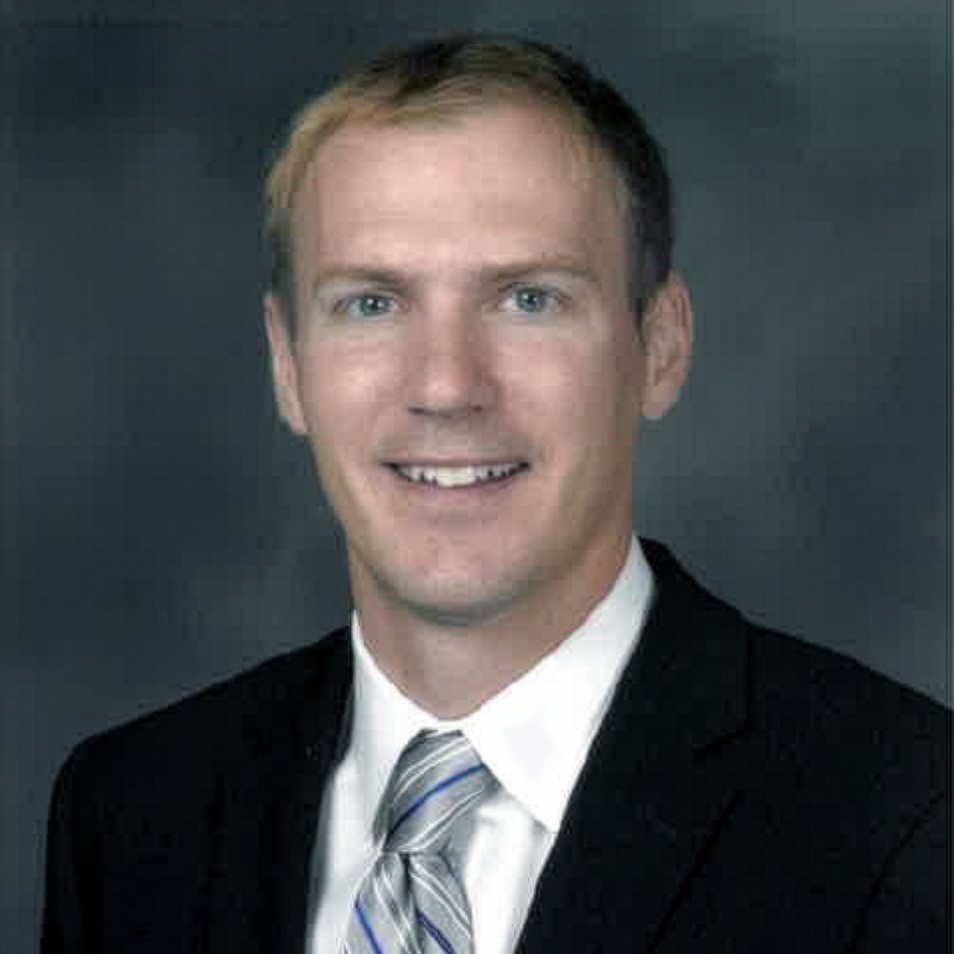 Levi DeVries is a Full Professor in the Weapons, Robotics, and Control Engineering Department at the United States Naval Academy in Annapolis, MD. A dedicated leader, educator, and researcher, he serves as the Laboratory Director for the department’s eight laboratory testing facilities and as the Academy's Unmanned Aerial Systems (UAS) Coordinator, responsible for the training of UAS operators and deconfliction of airspace between manned and unmanned aerial and maritime operations at the Academy.
DeVries earned his Ph.D. and M.S. in Aerospace Engineering from the University of Maryland, College Park, and graduated summa cum laude from Concordia College with degrees in Physics and Mathematics. His technical expertise spans linear and nonlinear control, estimation theory, and computer vision. His research focuses on the coordination of multi-vehicle unmanned aerial, ground, surface, and underwater systems, with specific applications in autonomous aerial refueling, maritime unmanned systems integration, and wave energy conversion. His work is supported by the Office of Naval Research (ONR), the National Science Foundation (NSF), DARPA, and the World Wildlife Fund (WWF). He has pioneered projects in wave energy conversion, bio-inspired underwater vehicles, integration of unmanned systems on ships, and support-free additive manufacturing. He also serves as an Associate Editor for ASME Letters in Dynamic Systems and Control.
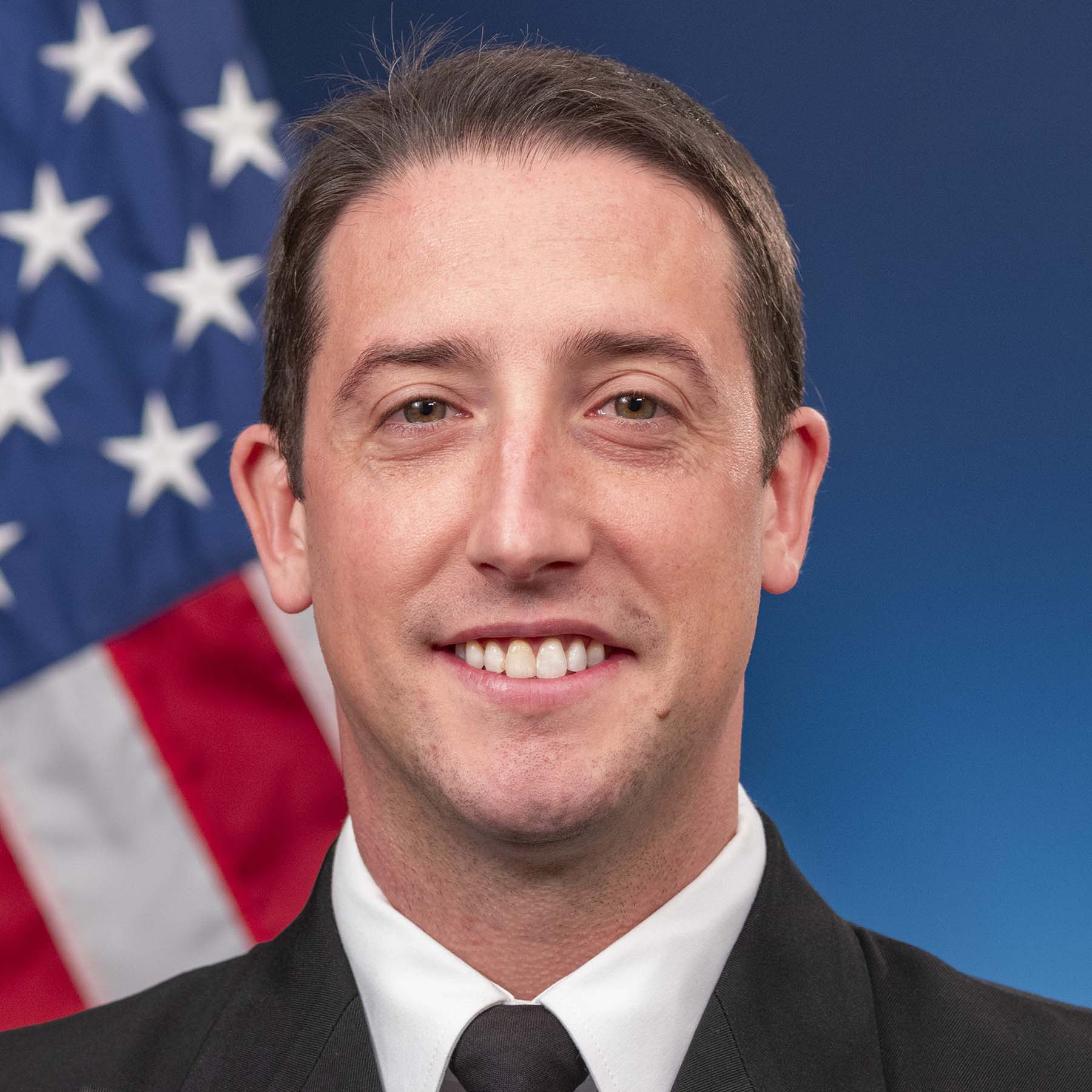 Ian Higgins is a Naval Aviator, experimental test pilot, aerospace engineer, and DARPA Program Manager with extensive leadership across operational combat aviation, flight test execution, and breakthrough defense technology development.
Operationally, Higgins completed a carrier-based deployment flying the F/A-18, executing combat missions in direct support of U.S. and allied forces during joint contingency operations.
Following his operational tour and graduation from the U.S. Naval Test Pilot School, Higgins served as a developmental flight test pilot with Air Test and Evaluation Squadron 23. There, he led and executed complex test programs for the F/A-18 and EA-18G aircraft, spanning mission systems, aircraft loads envelope expansion, ordnance separation, air-to-air refueling, flying qualities, and carrier suitability. He later served as Chief Developmental Test Pilot for a joint special projects test squadron, directing engineering design, system integration, and testing of advanced aerospace technologies.
As a Program Manager in DARPA’s Tactical Technology Office (TTO), Higgins leads pioneering defense aerospace development programs focused on advanced flight vehicle concepts, hypersonics, human-machine teaming, sensors, and advanced tactical capabilities designed to deliver decisive technological advantage for national defense.
Higgins graduated with distinction from the U.S. Naval Academy with a B.S. in Aerospace Engineering, earned Master of Science degrees in Aerospace Engineering from the University of Maryland and in Systems Engineering from the Naval Postgraduate School, and is pursuing a Ph.D. in Aerospace Engineering at the University of Maryland. He has logged more than 1,800 flight hours and 200 carrier-arrested landings and has been recognized with numerous personal, team, and leadership awards.
 Rosalie Hrybyk is a licensed Fire Protection Engineer, based out of Baltimore, Maryland. Hrybyk obtained her M.S. and B.S. in Fire Protection Engineering (FPE) from the University of Maryland, College Park in 2013 and 2015. She is a licensed Fire Protection Engineer in the State of Maryland and California. During her time in the industry, she was a consultant focusing on code consulting, plan review, system design, and performance-based designs with computational fire and egress modeling. Some of her recent work includes performing fire and egress modeling for professional and collegiate stadiums as well as a research project on stairwell pressurization design considering open doors, the latter which was presented at the Society of Fire Protection Engineers (SFPE) annual conference.
She began her teaching career in 2020 as an adjunct lecturer for the University of Maryland's FPE Professional Development Seminar. In January of 2025, she joined the Department of Fire Protection Engineering as the James A. Milke Endowed Professor of Practice. In her new role as an Assistant Clinical Professor, she will ensure that the undergraduate curriculum stays current with industry standards and will teach fundamental courses in FPE.
 Sumeet Jeswani is a Senior Security Architect at Google specializing in the security and governance of Agentic AI. As autonomous systems rapidly scale, his work focuses on architecting deterministic safety guardrails that protect both enterprise infrastructure and the broader public from emerging AI vulnerabilities. Operating at the intersection of industry practice and global standard-setting, Jeswani is a core technical contributor to the OWASP Top 10 for Agentic AI, helping define the foundational security frameworks adopted by organizations worldwide. His applied research in AI security architecture has been formally validated and published in peer-reviewed IEEE and ACM venues. To bridge the gap between technical risk and public awareness, his insights have been featured in major publications including The Economic Times, AI Cyber Magazine, and Cyber Security Tribe, and he appears as a guest on leading technology podcasts to discuss AI safety at scale.
Within the global engineering community, Jeswani is relied upon for strict technical evaluation. He serves as an Ethics Reviewer for NeurIPS, a Technical Program Committee (TPC) member for IEEE and IFIP conferences, and an invited reviewer for OWASP Global AppSec. Furthermore, he actively disseminates AI defense strategies as a speaker at major cybersecurity conferences. An alumnus of the A. James Clark School of Engineering, Jeswani leverages his rigorous technical foundation to advance the public good, ensuring that the next generation of autonomous AI is deployed securely.
 Quinn Kupec is the Mission Analysis Lead for Blue Origin’s Human Landing System program, working to return humans to the Moon as part of the Artemis program. He oversees the performance of the MK2 Crew and Cargo landers and supporting spacecraft. Kupec regularly advises senior vice presidents, the CEO, and company founder on architecture trades and analyses. Additionally, Kupec interfaces with the NASA customer to provide updates on Blue’s progress and collaborate on Artemis mission planning. Before he started as Mission Analysis Lead Kupec was the Mission Architect for a reusable space transportation development program at Blue Origin. He led the development of the mission for the spacecraft through the Architecture Concept Review. Kupec received a patent along with one of his colleagues for their invention of novel launch and recovery schemes for reusable launch vehicles. Prior to joining Blue Origin Kupec was a Space Systems engineer at a.i. solutions inc. Kupec worked on the FreeFlyer software team working with customers on troubleshooting issues and developing new features in the software.
Kupec has served as the chair of the Pacific Northwest Section of AIAA from 2022-2025. Previously he served as the Treasurer of the National Capital Section and received the 2021 Demler Award for service to the section. Kupec received his B.S. in aerospace engineering from the University of Maryland in 2020.
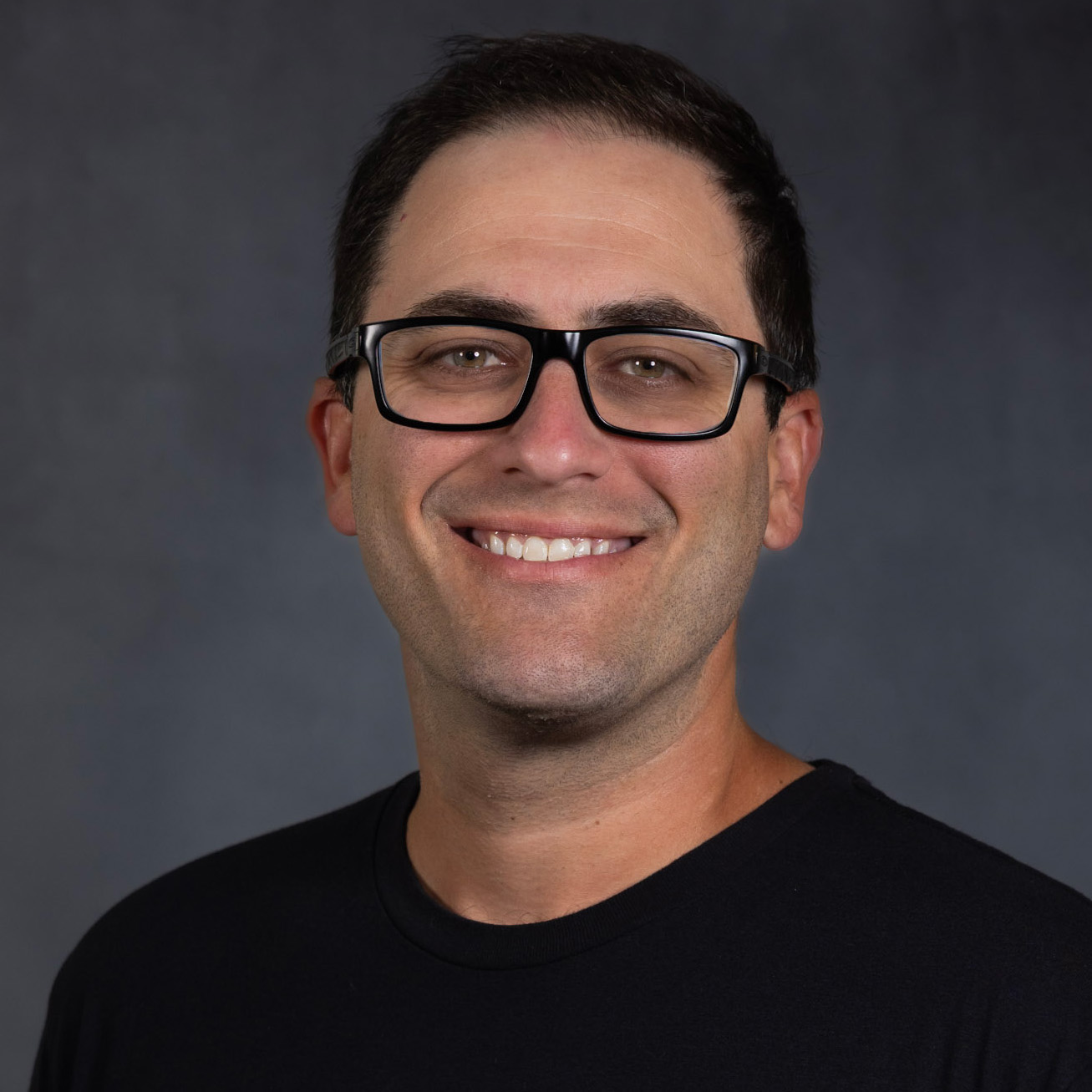 Brandon Litt is the Senior Director of Falcon & Dragon Integration at SpaceX, supporting flight and ground hardware build, assembly, testing, and launch operations at Cape Canaveral and Vandenberg. Across his nearly 10 year tenure at SpaceX, Litt has been a critical enabler to an ever increasing Falcon launch rate, driving his teams to streamline operations, improve reliability, and enhance safety as launch rates increased from 15 missions per year in 2017 to 165 launches per year in 2025, substantially reducing the cost of launch. Falcon 9 is the workhorse vehicle launching SpaceX constellation of Starlink satellites, providing worldwide access to high speed internet, and the primary vehicle for both private and government astronaut access to space. In his role as the head of the launch sites’ Falcon and Dragon teams, Litt continues to have a direct impact on both programs success as SpaceX continues to break records and improve access to space for wide range of private and government missions.
 Bilal Naved is a Faculty Member in the Windreich Department of AI in Human Health at the Icahn School of Medicine at Mount Sinai and an Eric and Wendy Schmidt AI in Human Health Fellow. His fellowship is endowed by the former CEO of Google, Eric Schmidt. He is also Co-Founder and Chief Product Officer of Clearstep. Trained as a physician-scientist, he earned his PhD in Biomedical Engineering at Northwestern University and continues his MD/PhD training in Northwestern’s Medical Scientist Training Program. Naved’s work sits at the intersection of engineering, artificial intelligence, and health care delivery. At Clearstep, he built patient-facing AI tools now deployed across 15 health systems and serving patients in all 50 states. The AI triage he built has been deployed by United Healthcare, CVS, HCA, Mount Sinai, Baylor Scott & White Health, Tufts Medicine, and Ochsner Health. In scholarship, he has authored research spanning digital health, patient-facing AI, kidney disease, organ engineering, gait analysis, and biomaterials, including publications in Nature Medicine, Nature Digital Medicine, Kidney International, ACS Biomaterials Science & Engineering, and Stem Cells.
At Mount Sinai, his research program focuses on patient- and provider-facing AI systems and on improving ambulatory care delivery, access, and capacity. Across academic and entrepreneurial settings, his work is unified by a clear goal: making care navigation safer, more effective, and more evidence-driven at scale.
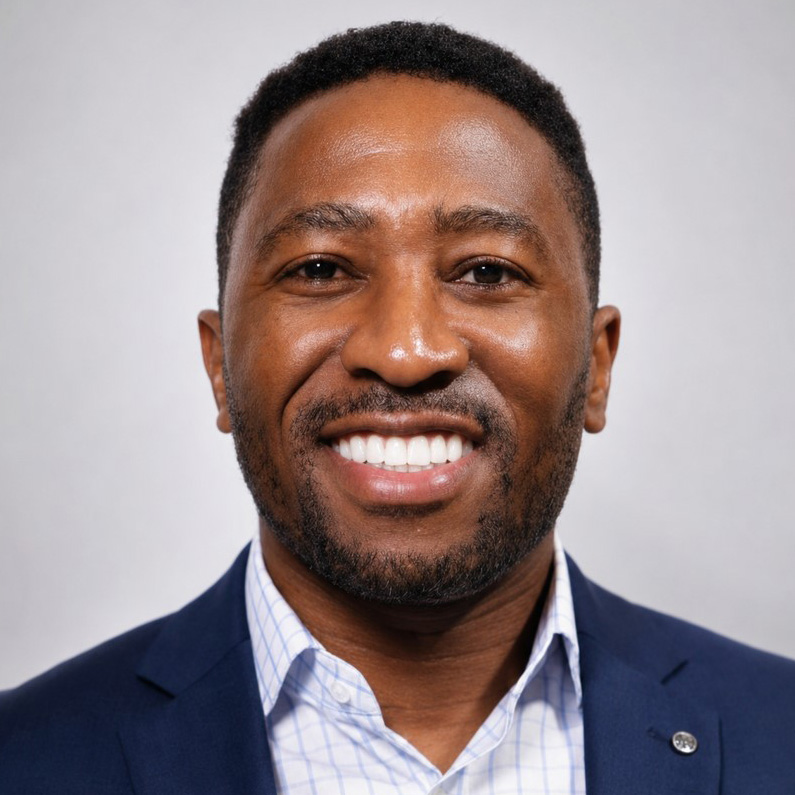 Victor Nwaneri is a senior product/program manager at Honeywell International. Nwaneri’s execution of a diverse portfolio of energy contracts has been notable across federal agencies like DOE, HUD, GSA, & FDA. His work contributes to UMD’s NextGen Energy Program set to replace, renew and modernize the university’s aging energy system. He serves as a Director for the Leaders in Energy, an international organization that spans 100+ countries and 4,100+ members. He oversees the development of local and regional action networks within the US and internationally with an aim to sustainably scale the organization’s mission across the globe. Nwaneri’s professional journey commenced within the esteemed General Electric, where he participated in the Edison Engineering Development Program. During his tenure, Nwaneri held various engineering positions across the U.S. Despite GE’s prominence as one of America’s most valuable companies at the time, Nwaneri discerned that his passion lay beyond the realm of Oil & Gas.
As a licensed professional engineer, Nwaneri furthered his expertise at Bechtel, focusing on nuclear waste sustainability system engineering. His dedication to the field was underscored by his appointment as a STEM Presidential Management Fellow, subsequently serving the DOE as a technical reviewer and working as a senior project engineer for GSA. He holds a B.S. in Mechanical Engineering from UMD, M.S. in Mechanical Engineering from GaTech, Certificate in Product Management from UPenn’s Wharton School of Business, and is an MBA candidate at UMD’s Smith School.
 Victoria Pillitteri is a career civil servant and recognized leader in cybersecurity, privacy, and technology policy. As the Manager of the Security Engineering and Risk Management Group at the National Institute of Standards and Technology (NIST), she advances U.S. priorities in cybersecurity and emerging technology through international engagement, standards development, and cross-sector collaboration. She leads a team of researchers focused in advancing security engineering, developing the series of foundational cybersecurity risk management standards used across the U.S. government, and research in cybersecurity risk measurement and metrics. Pillitteri also leads the Joint Task Force working group, a partnership with the Department of Defense, the Intelligence Community, and Civilian Agencies to develop a unified security framework to protect the U.S. Government from cyber-attacks. Pillitteri has played a pivotal role in shaping globally adopted cybersecurity and privacy frameworks that underpin federal cybersecurity programs. She has led strategic initiatives that bring together government agencies, industry leaders, and global stakeholders to address complex challenges such as cyber risk management, artificial intelligence governance, and critical infrastructure protection.
She serves as a Board Member on the American Council for Technology - Industry Advisory Council (ACT-IAC) Cybersecurity Community of Interest and a Department Editor of IEEE Security and Privacy Magazine. Pillitteri holds a B.S. in Electrical Engineering from the University of Maryland and an M.S. in Computer Science with a concentration in Information Assurance from The George Washington University. She has completed the Key Executive Leadership Program at American University.
 Nitin Raghu is an accomplished Product leader, patent-holder, and Aerospace Engineer with a proven track record of developing groundbreaking hardware and software products across the aerospace, consumer, and B2B SaaS markets. He currently serves as a Product Manager at Google, where he co-develops 0-1 AI products with DeepMind Research teams. Previously, Raghu was the Head of Product for AWS Ground Station, Amazon’s first space hardware and software product, which disrupted an $18B market by enabling satellite owners to transmit data seamlessly between Earth and Space. He was responsible for Amazon's first venture into the space industry, winning their first customer and supporting government agencies in more than 15 countries.
Prior, he led consulting teams at Deloitte for Aerospace and Telecom customers. He also led engineering teams for high-fidelity space system modeling and simulation at KBR. He started his career at a 3D printing startup founded by other University of Maryland graduates, building additive manufacturing products and rapid-prototype 3D models for NASA Goddard and other commercial clients with patented concepts. There he manufactured wiring schematics to aid NASA scientists with spacecraft testing.
Raghu holds a B.S. in Aerospace Engineering from the University of Maryland, College Park, an M.S. in Systems Engineering from Johns Hopkins University, and an MBA from UC Berkeley’s Haas School of Business. Raghu has a patent pending for a Confidential Data AI Agent from his work at Google.
 Marshall Schroeder is a senior materials engineer in the Battery Science Branch at the DEVCOM Army Research Laboratory. There, he leads the Electrolyte and Interface Science team, a multidisciplinary research group seeking to transition new scientific understanding of electrochemical systems into devices which will enhance U.S. Army capabilities. Throughout his early career, Schroeder’s work has broadly covered materials research in areas including energy storage, catalysis, and neuromorphic computing, with a core focus on the development of electrolytes for next generation batteries. His research findings have been broadly recognized through contributions to peer-reviewed journals (>50 articles), invitations to address international organizations, and an extensive IP portfolio (7 awarded/pending patents). He has also received multiple prestigious awards, including the ARL Honorary Award for Science, the ARL Director’s Early Career Award, a Department of the Army Civilian Service Commendation Medal, and the Department of Defense Laboratory Scientist of the Quarter.
Schroeder is a trusted authority within DEVCOM ARL, the Army, and the DoW on state-of-the-art and emerging cell chemistries. He is regularly consulted as a subject matter expert by senior leaders to assess the status of advanced pre-commercial cells to help guide Army/DOW investment and experimentation efforts. He also serves as an invited member of the steering committee for the Center for Research in Extreme Batteries (CREB), a UMD/DEVCOM ARL-led consortium of universities, government/defense labs, and industry partners addressing fundamental challenges in batteries.
 Rajat Shivacharan is a Fellow Clinical Research Scientist in the Neuromodulation division at Boston Scientific Corporation, where he supports clinical strategy and leads research initiatives focused on advancing deep brain stimulation (DBS) therapies for neurological disorders. His work centers on translating emerging neurophysiological insights into next-generation neuromodulation technologies, with a particular emphasis on movement disorders, and circuit-based approaches to brain therapeutics. Shivacharan completed his postdoctoral fellowship in Neurosurgery at Stanford University School of Medicine, where he investigated neural circuit dynamics, electrophysiology, and mechanisms of neuromodulation for neuropsychiatric indications. He earned his PhD in Biomedical Engineering from Case Western Reserve University, conducting research in neural engineering, computational modeling, and neurophysiology. He holds a B.S. in Bioengineering from the University of Maryland. Across his academic roles, Shivacharan has contributed to peer-reviewed publications in Nature Medicine, JAMA Neurology, Neuron, and Journal of Neuroscience, with work spanning responsive neuromodulation, neural biomarkers, and translational neuroengineering.
At Boston Scientific, he collaborates closely with clinicians, engineers, and global research teams to design and execute clinical studies, evaluate emerging technologies, and guide evidence generation for DBS therapies. His broader interests include biomarker-guided stimulation, closed-loop neuromodulation, and the integration of computational neuroscience into device development.
 Daniel Wang is currently a Physical Medicine and Rehabilitation (PM&R) resident physician at the University of Miami Miller School of Medicine/Health System. Before medicine, Wang graduated University of Maryland College Park with a B.S. in Bioengineering. He subsequently applied his engineering foundation at Accenture as a technology and management consultant. He earned recognition among 250 employees for exceptional client service. He subsequently attended and graduated medical school in Kansas City, completed a preliminary internal medicine year at Georgetown University Medical Center/MedStar Health, and is currently in his PM&R residency in Miami while pursuing subspecialty fellowship training in pain medicine. Wang uniquely bridges three disciplines—engineering, business, and medicine—to reimagine the treatment of chronic pain. A prolific clinician-researcher, Wang has over 50+ peer-reviewed publications, book chapters, and national oral/poster presentations, spanning neuromodulation, regenerative medicine, musculoskeletal ultrasound, and interventional spine. He serves on the Editorial Board of Pain Management (Taylor & Francis) journal as one of its youngest Early Career Researcher members.
He is also active on the Resident and Fellow Councils of multiple large-scale pain and neuromodulation societies. His Mayo Clinic research collaboration earned a top-three oral podium award at the 2026 World Academy of Pain Medicine United Annual Conference. Beyond research, Wang designed and led a fluoroscopy-based interventional spine course for 24 PM&R residents. He actively mentors over 10 medical students.
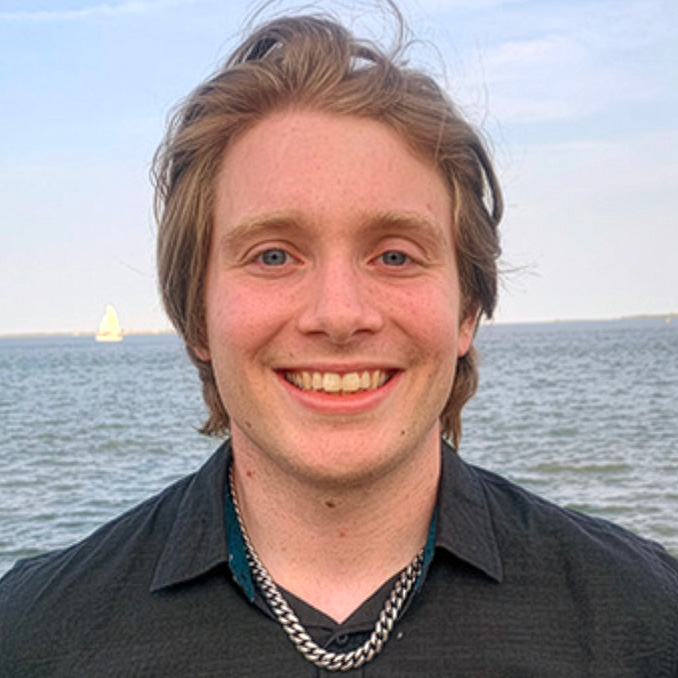 Mike Wittner is a cybersecurity professional and educator whose career bridges national defense and academic instruction. He holds a B.S. in Computer Science (’19) and an M.Eng. in Cybersecurity (’21) from the University of Maryland, College Park. As a Project Lead at the United States Department of Defense, Wittner leads complex cybersecurity initiatives with direct national security implications, guiding cross-functional teams through high-stakes technical challenges that demand precision, strategic thinking, and adaptability. Wittner serves as an Instructor at the University of Maryland's Maryland Applied Graduate Engineering program, where he teaches and builds three graduate courses: Penetration Testing, Advanced Hacking of Linux, and Software Reverse engineering to over 80 students. His hands-on lab environments cover software exploitation for penetration testing, binary analysis, reverse engineering, and network security. His dedication to student success has been recognized with an Outstanding Teaching Award.
Beyond the classroom, Wittner maintains Ragnar Security, a technical cybersecurity blog dedicated to advancing knowledge in the security community through research and applied analysis.
 Carol Wong is a Senior Water Resources Engineer at the Center for Watershed Protection (CWP), where she leads innovative projects that advance sustainable stormwater management and watershed protection. Since joining the organization in 2014, she has managed complex initiatives that translate research into practical solutions for communities, governments, and practitioners across the country. Wong has extensive experience in stormwater and water resources research, design, and planning, with particular expertise in green stormwater infrastructure and watershed-based approaches to water quality improvement. She leads projects that include watershed and stormwater master planning, green infrastructure design and implementation, applied stormwater research, and technical assistance to local governments, communities, and nonprofit partners.
Prior to joining CWP, Wong worked in the private sector as an environmental consultant, where she managed research and development projects focused on innovative environmental technologies. Wong holds a B.S. in Mechanical Engineering from the University of Maryland, College Park and an M.S. in Environmental Engineering and Science from Stanford University. She was a recipient of the NSF Graduate Research Fellowship. Wong is a licensed Professional Engineer in Maryland, Washington D.C., Virginia, and Delaware.
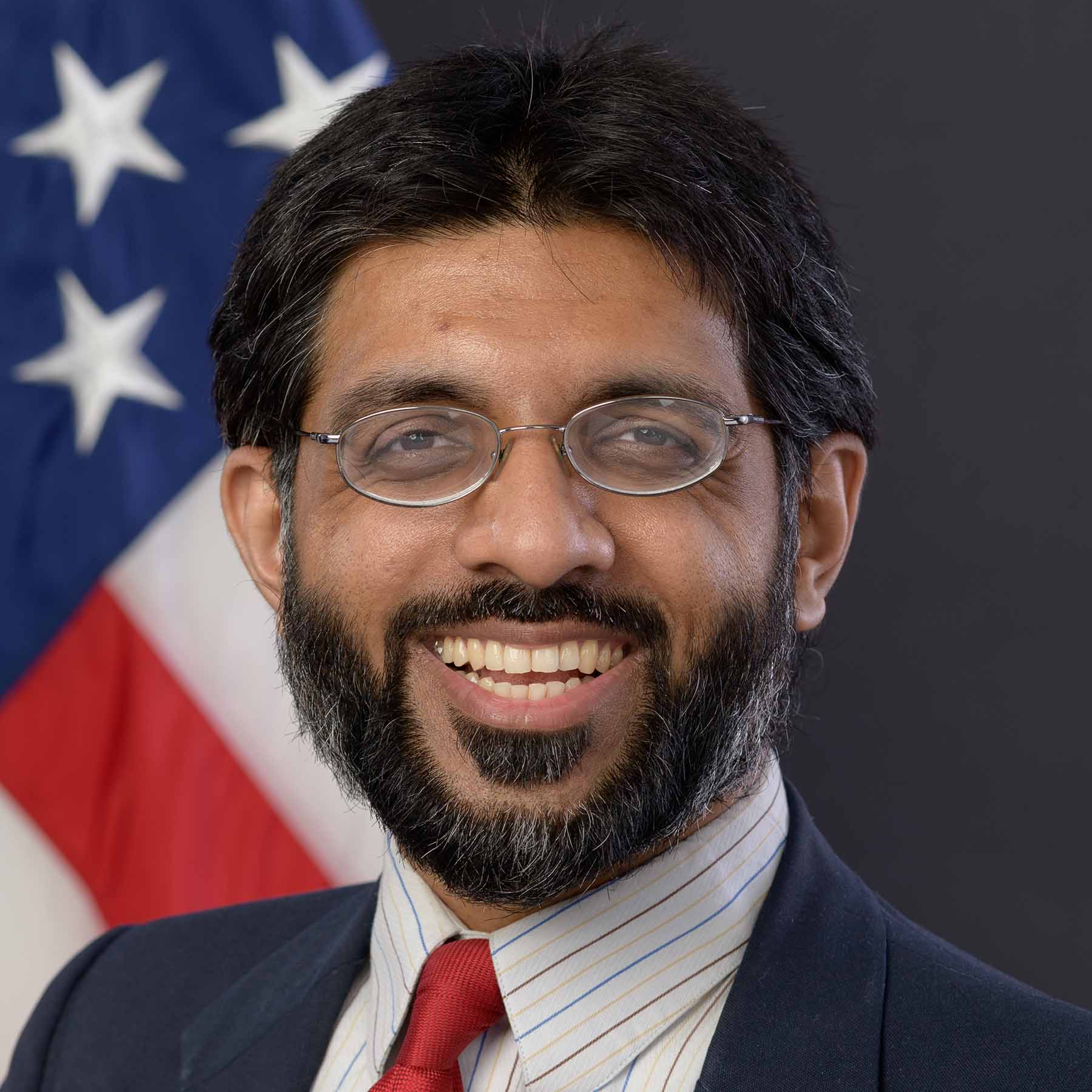 Adil Zuber is an accomplished and award-winning National Security Leader, Engineer, and Educator. Striking a unique balance of leading impactful strategic-level work with a passion for educating others, this distinct duality in his career distinguishes him as an innovative service-oriented leader. In his early career, Zuber was a researcher for the $15.5 million Biologically-derived Medicines on Demand project creating an On-Demand Biopharmaceutical Manufacturing Platform, while simultaneously serving teaching hundreds of undergraduate engineering students and also developing a non-profit startup makerspace. Later he was a Chemical Engineer at the Defense Logistics Agency where he led the $30 million Assured Digital Microelectronics Education and Training Ecosystem program to revitalize the USA's domestic semiconductor manufacturing. He also created the Engineering Workforce Development Program to proactively address anticipated labor gaps among the STEM professionals.
He was later the Deputy Chief for Emerging Threats at the Defense Threat Reduction Agency, where he proactively addressed emerging threats for Countering Weapons of Mass Destruction (CWMD) across numerous disciplines (AI, quantum, additive manufacturing, uncrewed systems) as well as supporting CWMD capability development across the DoD. Zuber also founded the DTRA Young Professionals Network to provide professional development and support emerging leaders. Zuber recently began a new role as an Interdisciplinary Engineer for the Defense Technology Security Administration. Zuber holds an M.S. in Chemical and Biochemical Engineering from the University of Maryland: Baltimore County and a B.S. in Chemical Engineering from the University of Maryland, College Park.
Top