News Story
BIOE Celebrates Five Award Recipients at Ninth Annual 2026 EPIC Retreat
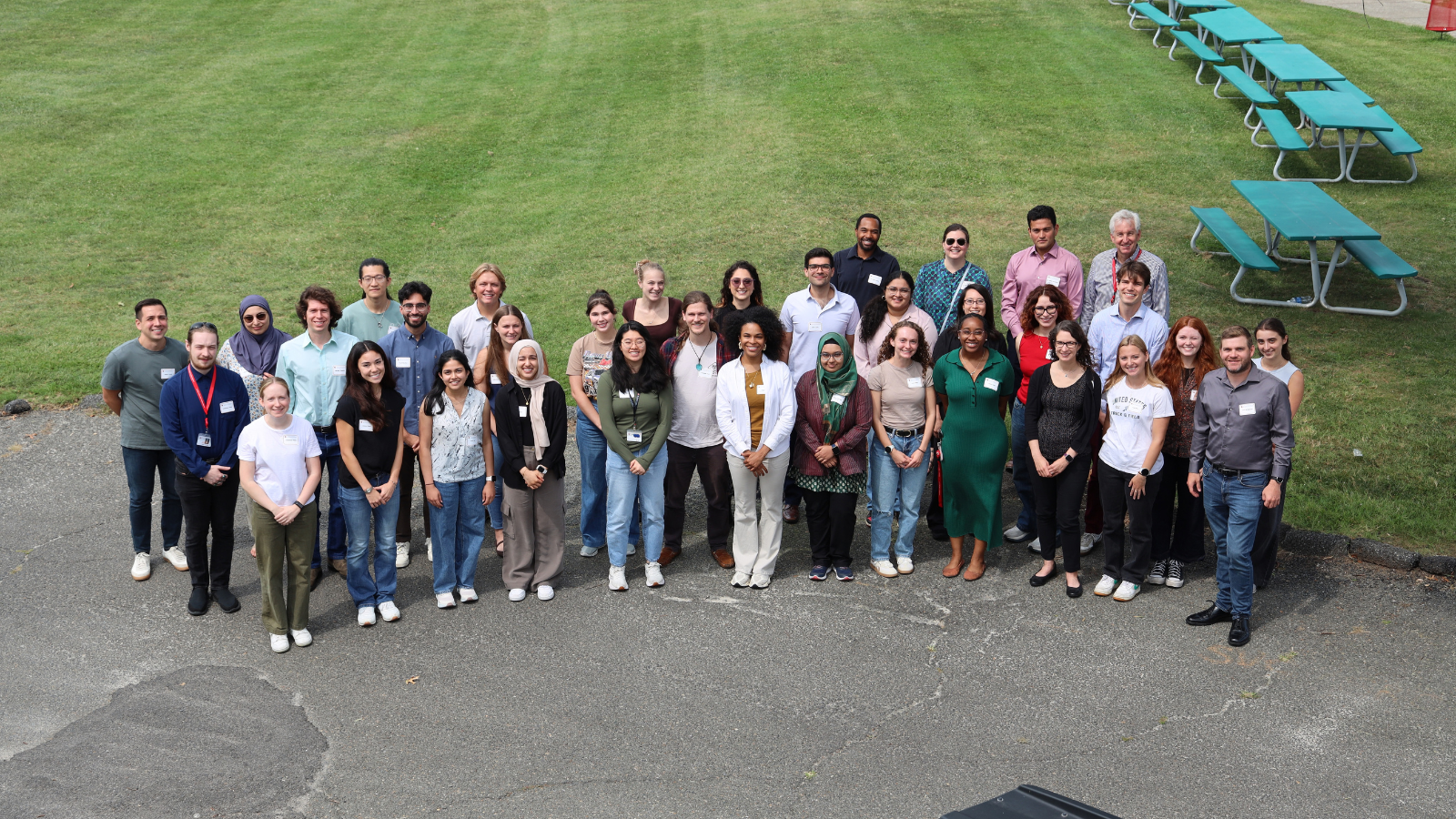
The Fischell Department of Bioengineering (BIOE) hosted its ninth annual Enhancing and Promoting Interactions and Conversations (EPIC) Retreat on Aug. 27 at the University of Maryland Golf Course. The annual retreat brought together students, faculty, and staff for a day of research presentations, discussion, community building, and welcoming the 21 incoming graduate students.
The day began with welcome remarks from BIOE Interim Chair Alisa Morss Clyne and a guest presentation from Principal Lecturer Deborah Goldberg. Graduate students then shared their research through oral presentations and flash talks, followed by presentations from BIOE Associate Professors Rohan Fernandes, Yu Gan, and Netanel Korin. The retreat also included an icebreaker and team-building activity organized by the Bioengineering Graduate Student Society (BGSS).
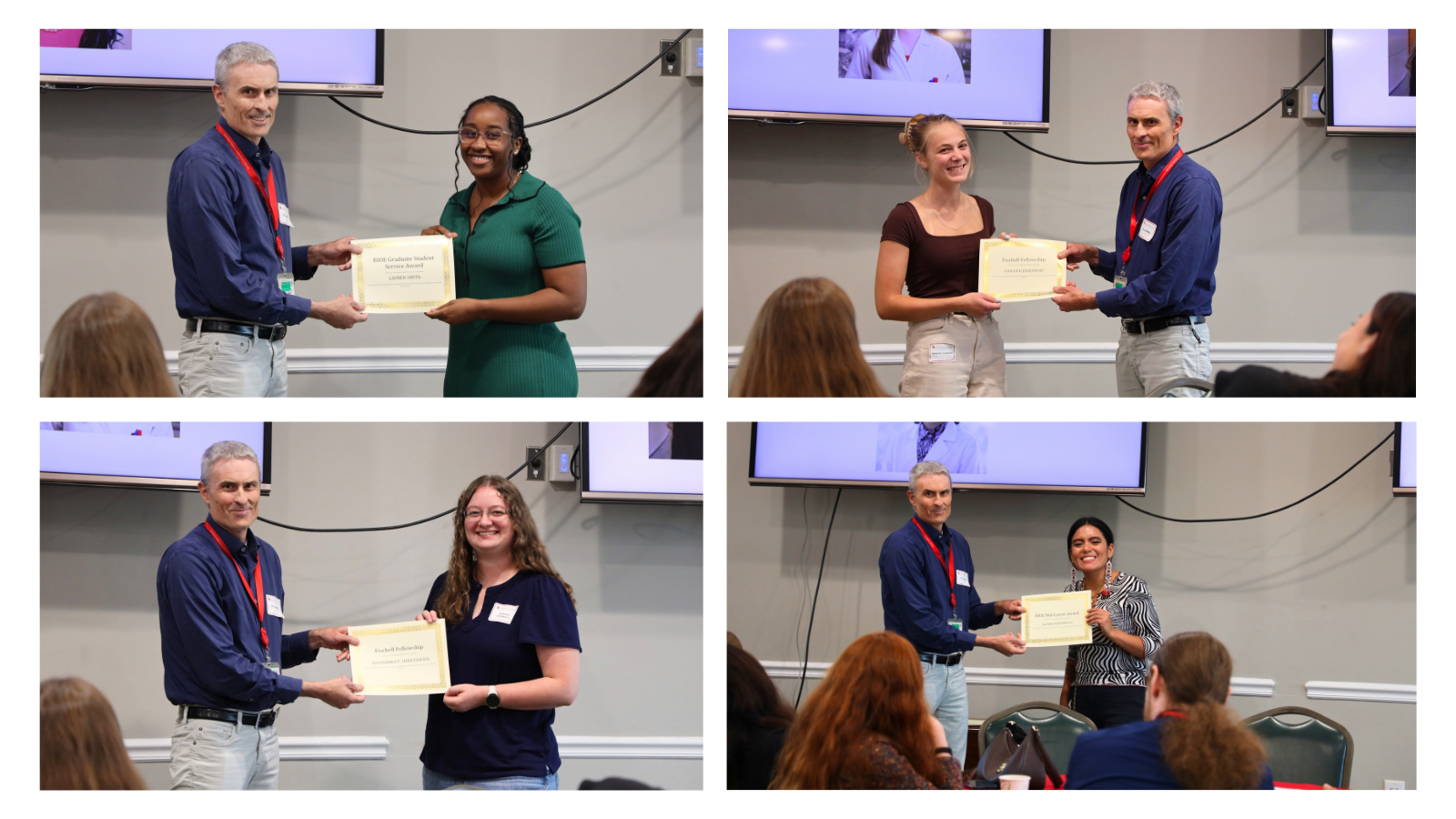
The retreat concluded with the presentation of five departmental awards recognizing graduate student research, service, and professional achievement: the Fischell Fellowship, the BIOE Distinguished Dissertation Award, the BIOE Mid-Career Award, and the BIOE Graduate Student Service Award.
Fischell Fellowship
The Fischell Fellowship, named in honor of inventor and department namesake Dr. Robert E. Fischell, recognizes outstanding graduate students pursuing applied research and product design with the potential to transform human health.
This year, BIOE Ph.D. candidates Ashleigh Marie Jankowski and Alexandra Phillips Christensen were named Fischell Fellows.
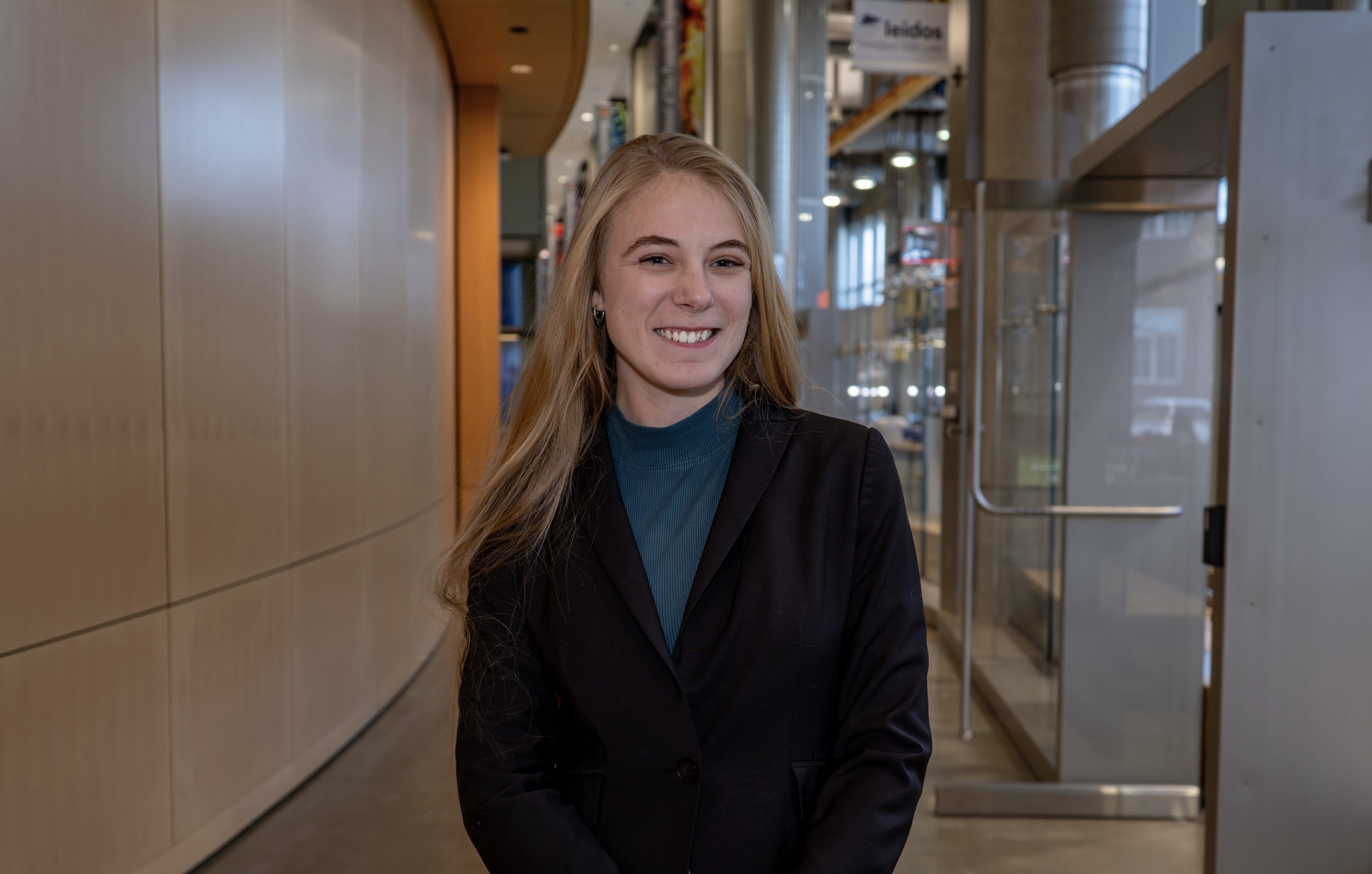
Ashleigh Marie Jankowski
Jankowski’s research focuses on engineering nanoparticle surfaces to target mucosal lymphatics for immunotherapeutic delivery. She has developed a nanoparticle-based approach to treating Lymphangioleiomyomatosis (LAM), a rare disease that primarily affects women, developing an immunotherapy-loaded nanoparticle that induces an anti-LAM immune response and reduces tumor burden in mice.
As a fourth-year doctoral student, Jankowski will use the fellowship to advance the project into larger cohort animal efficacy studies. Her next stage of research will evaluate the nanoparticle in a LAM mouse model and compare its efficacy and mechanism of response with the current standard of care.
Jankowski hopes the work can ultimately be translated into a treatment for women with LAM.
She noted that the current standard of care, rapamycin, is ineffective for many patients and can be difficult to tolerate over lifelong use, underscoring the need for new therapeutic approaches.
“Receiving the Fischell Fellowship is incredibly validating,” Jankowski said. “It is additionally very encouraging, and I am excited to pursue this work further.”
Jankowski said her experience at BIOE, including her work in the Maisel Lab, has given her the opportunity to pursue her goal of developing therapeutic interventions with clinically translatable outcomes.
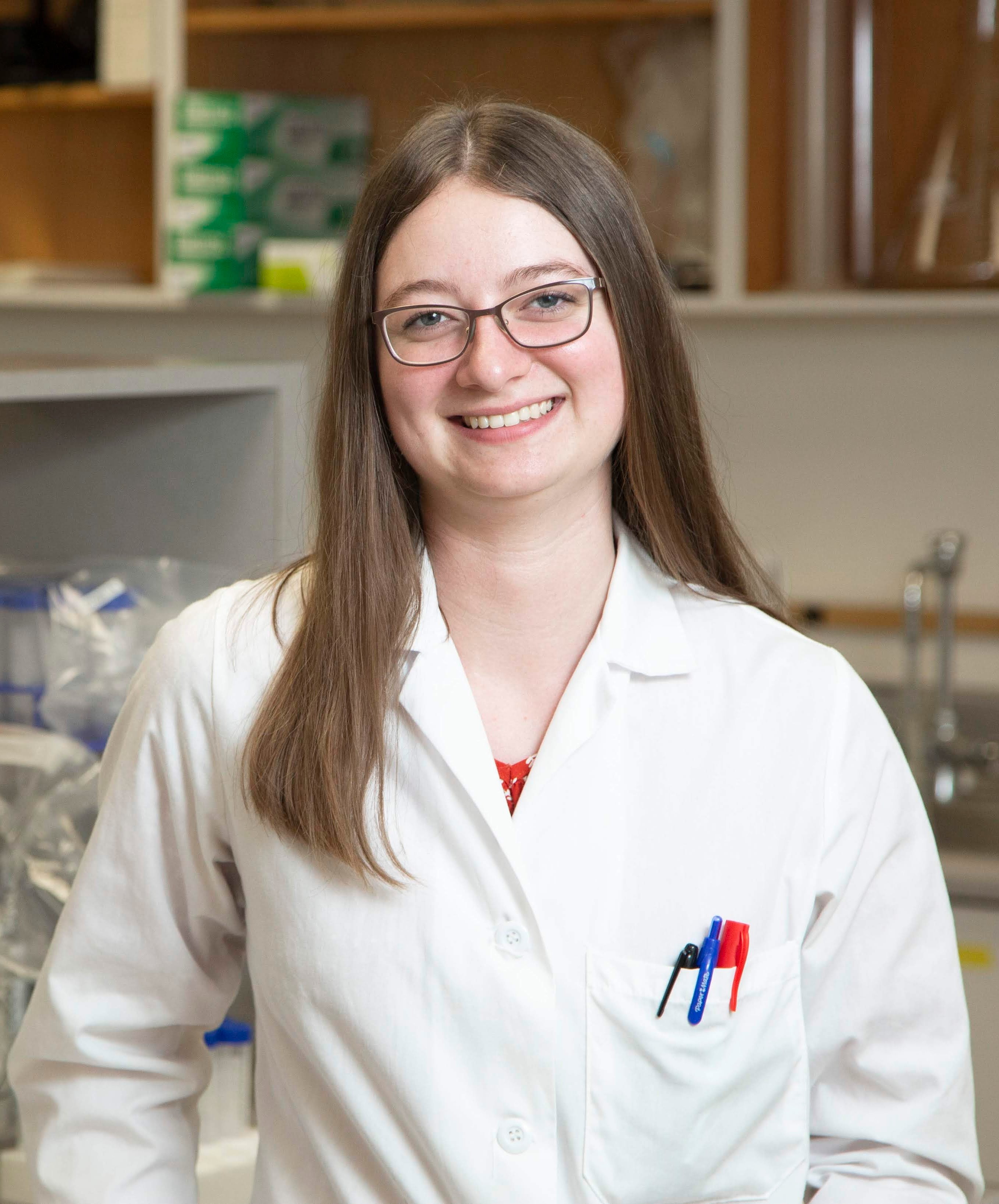
Alexandra Phillips Christensen
Christensen works with former department chair and Professor, John P. Fisher in the Tissue Engineering and Biomaterials Lab. Her research focuses on developing soft tissue implants that maintain structural shape while encouraging vascularization and cellular infiltration through sequential bioactive signaling. Specifically, she is developing a potential implant to restore the shape and structure of the nipple-areolar complex for women who have undergone mastectomy.
The research addresses balancing structural stability with the biological properties needed for cells and blood vessels to integrate into engineered tissue, a longstanding challenge in soft tissue engineering. Christensen’s implant design combines organized materials to create a hybrid biomaterial that is intended to be both structurally sound and biologically integrated over time.
With support from the Fischell Fellowship, Christensen will test the efficacy of her implant design in vivo using an animal model. She will examine how the architecture of the implant and the spatial organization of bioactive signals affect cellularization and vascularization.
“Receiving this fellowship has instilled me with confidence in my previous work, current ideas, and future research plans”, Christensen said.
While her current work focuses on nipple-areolar complex reconstruction, Christensen sees broader applications for the technology, including the development of patient-specific regenerative implants for other soft tissues.
Christensen said her time in BIOE has helped her grow as an independent researcher and taught her to approach setbacks as opportunities for learning. She also highlighted the interdisciplinary collaborations that have shaped her research and her goal of continuing to pursue work with translational impact.
BIOE Distinguished Dissertation Award
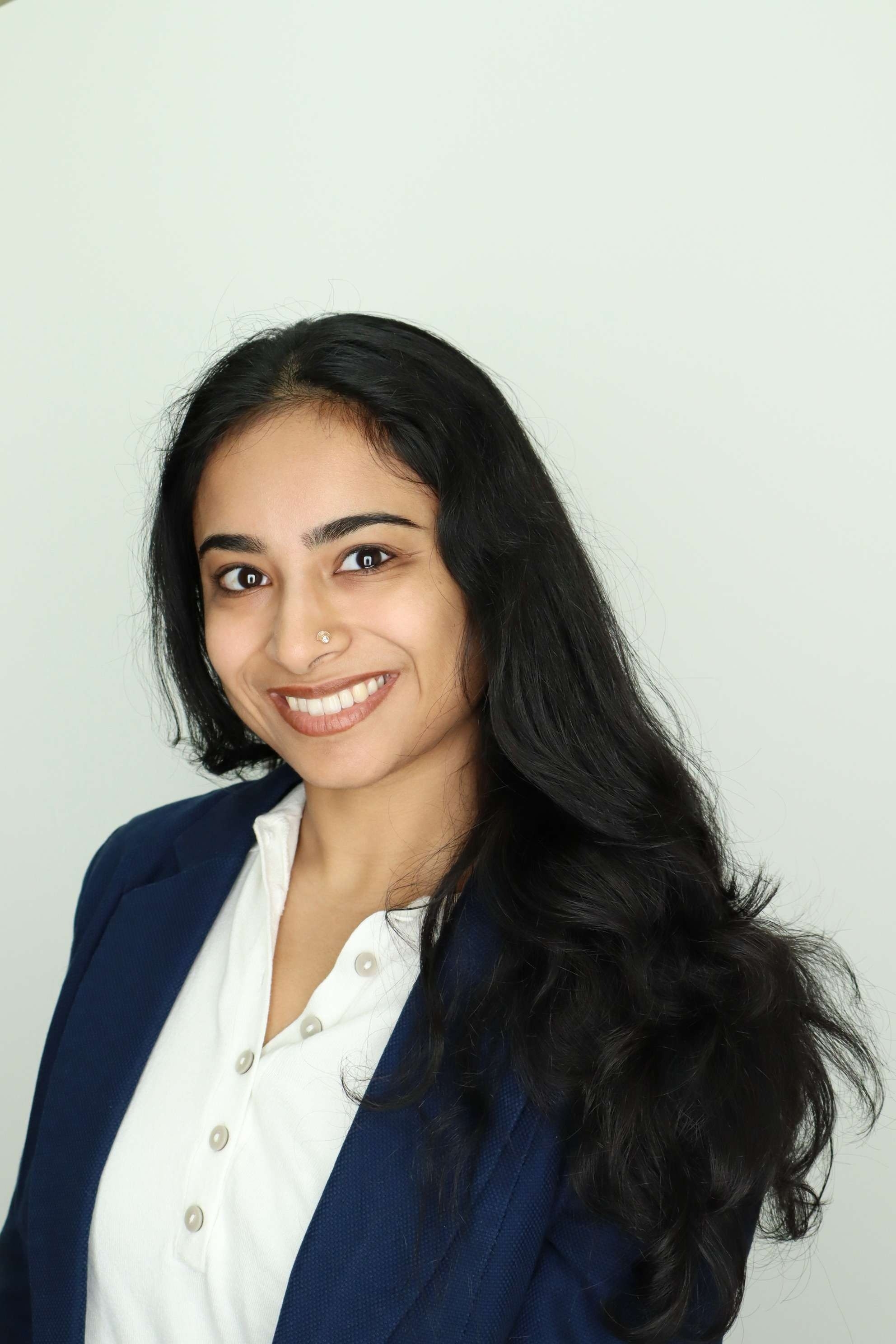
Shohini Banerjee
The BIOE Distinguished Dissertation Award recognized Shohini Banerjee for her dissertation research investigating migratory cell behaviors involved in the spread and establishment of endometriosis.
Banerjee’s research examined how the disease microenvironment affects dynamic cell processes in endometriosis, a condition that affects about one in 10 women and remains comparatively understudied. Her work showed that estradiol alters cytoskeletal dynamics in an endometriotic cell line but does not otherwise affect migration in standard two-dimensional models. She also found that the fibrotic tissue stiffening associated with disease progression enhances the migratory and invasive behavior of endometriotic cells.
In addition to advancing understanding of disease mechanisms, Banerjee developed in vitro cell culture models of endometriotic migration and incorporation into the peritoneal mesothelium. She hopes these tools will support future research into endometriosis and help identify potential therapeutic targets.
Her research included unexpected findings and technical challenges, particularly in developing new co-culture models. Banerjee said the discovery that an endometriotic cell line was largely unresponsive to estradiol was especially unexpected, but ultimately became an important finding for how future in vitro endometriosis research should be conducted. She also credited undergraduate researchers Esha Chopra and Nane Manukyan for helping make the work possible.
Banerjee plans to continue advancing women’s health research. She now works at Philips, where she contributes to the development and manufacturing of ultrasound transducers for obstetrics and endovaginal imaging.
BIOE Mid-Career Award
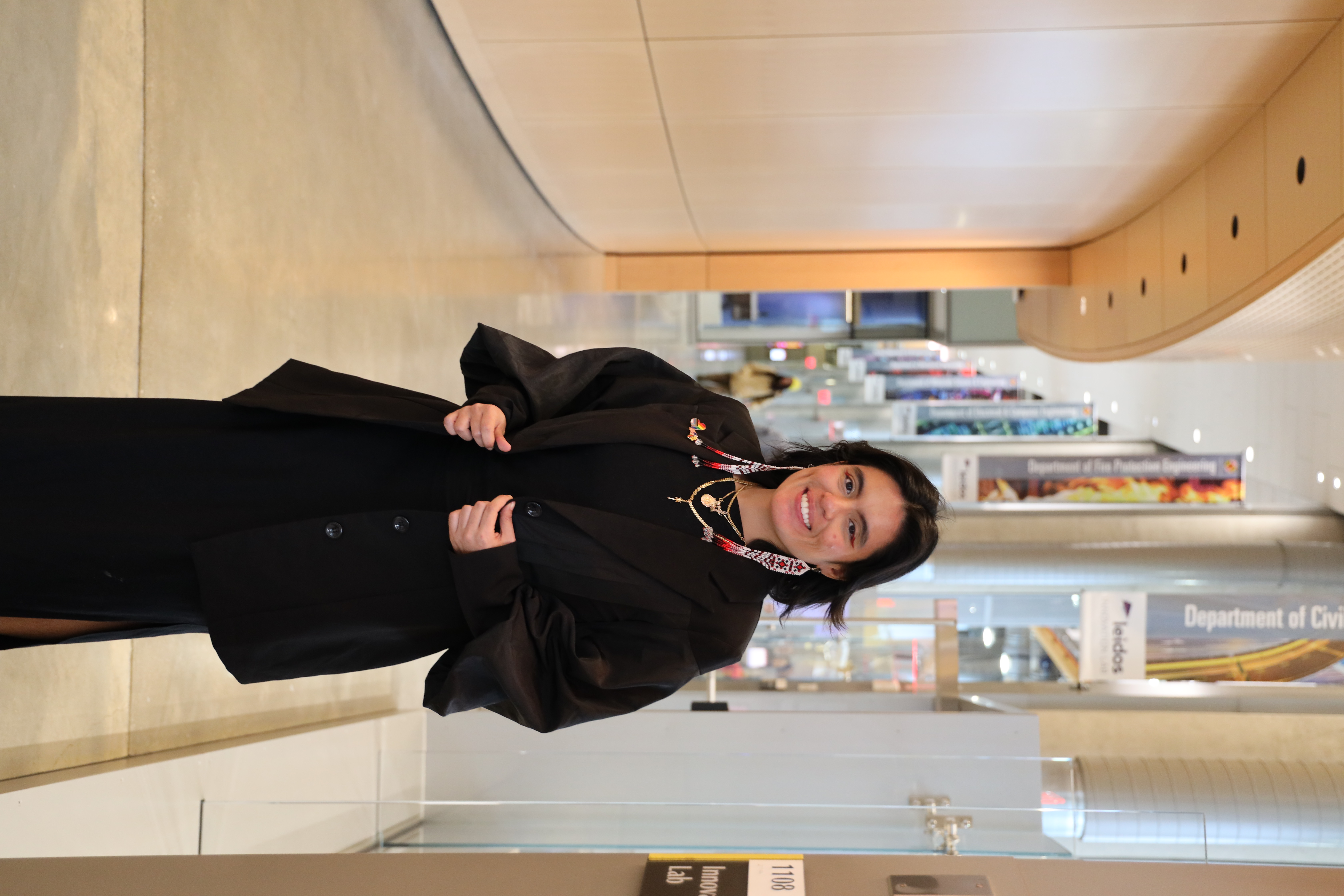
Alison Marieann Veintimilla
The BIOE Mid-Career Award recognized Alison Marieann Veintimilla, the inaugural recipient of the award.
Veintimilla’s research focuses on sex as a biological variable in immune cell function. Their thesis work examines how hormones affect macrophage function and contribute to sex-biased pathological outcomes. They are also involved in projects examining how ancestry-based factors influence biomaterial-based in vitro models.
Veintimilla said one of the most important aspects of their work is incorporating biological factors that have historically been treated as confounding variables in biomedical research. By examining hormonal variation and other biological differences directly, they hope to contribute to research that better reflects the diversity and complexity of human health.
As the first recipient of the Mid-Career Award, Veintimilla said they felt “very seen and celebrated” and were honored to set a precedent for the department. Veintimilla plans to continue investigating how multiple hormones and changing exposure over time affect immune function while remaining involved in women’s health research and mentorship.
BIOE Graduate Student Service Award
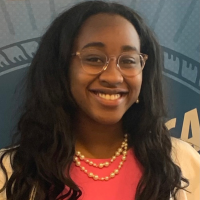
Lauren Victoria Smith
BIOE awarded Lauren Victoria Smith the Graduate Student Service Award for her contributions to the BIOE graduate student community.
Smith is a member of the Vascular Kinetics Lab under Alisa Clyne, where her research examines how the mechanosensor Piezo1 affects endothelial cell metabolism and function under normal and hyperglycemic conditions. Her work also explores the use of PLA nanoparticles to metabolically engineer and control metabolism in endothelial cells.
Beyond her research, Smith has served on the CED committee and held leadership positions in BGSS, including vice president of DEI and president. During her time in the department, she worked to expand participation in BGSS events by inviting graduate students, postdocs, and affiliates, established a cultural potluck that brought together more than 60 graduate students and postdocs, and compiled a list of 33 graduate student and postdoctoral presenters for the 2024 BMES conference in Baltimore.
Smith said her commitment to service grew from her own experience of finding community within BIOE after entering graduate school. She wanted other students to feel equally welcomed and supported and emphasized the importance of creating a community where students feel seen, valued, and encouraged to flourish.
“This award means so much to me,” Smith said. “This award means that at least one of the initiatives I did made an impact on someone, and I couldn’t have been happier.”
The 2026 EPIC Retreat closed with the awards ceremony, recognizing the accomplishments and contributions of members of the BIOE community while bringing together students, faculty, and staff for another year of research exchange and connection.
Published September 29, 2026
Related Stories
Stories / September 15, 2026
Jonathan Portillo Conducts Success as Fire Protection...

Stories / August 4, 2026
Kuo Lab Hosts Future Bioengineers
Stories / July 13, 2026
Meet the Newest Cohort of the MARC Program

Stories / June 5, 2026
UMD Senior Joshua Mathew Wins 2026 Astronaut Scholarship

Stories / June 2, 2026
Wielgosz Receives ARCS MWC Foundation Scholarship

Stories / May 29, 2026
BIOE Announces Spring 2026 Instructional Impact Awards
Stories / May 28, 2026
Student Spotlight: Outstanding Junior Award Recipient Joel...
Stories / May 15, 2026
BIOE Students Recognized for Innovative Healthcare Solutions at...
Stories / May 13, 2026
2026 Invention of the Year: Engineering Projects Top List

Stories / May 13, 2026
Capstone Design Expo 2026: Students Solve for Maryland & Beyond