Reducing server load with efficient tuning of large language models
UMD engineers develop a streamlined method for tuning large language models that cuts energy use and boosts performance.
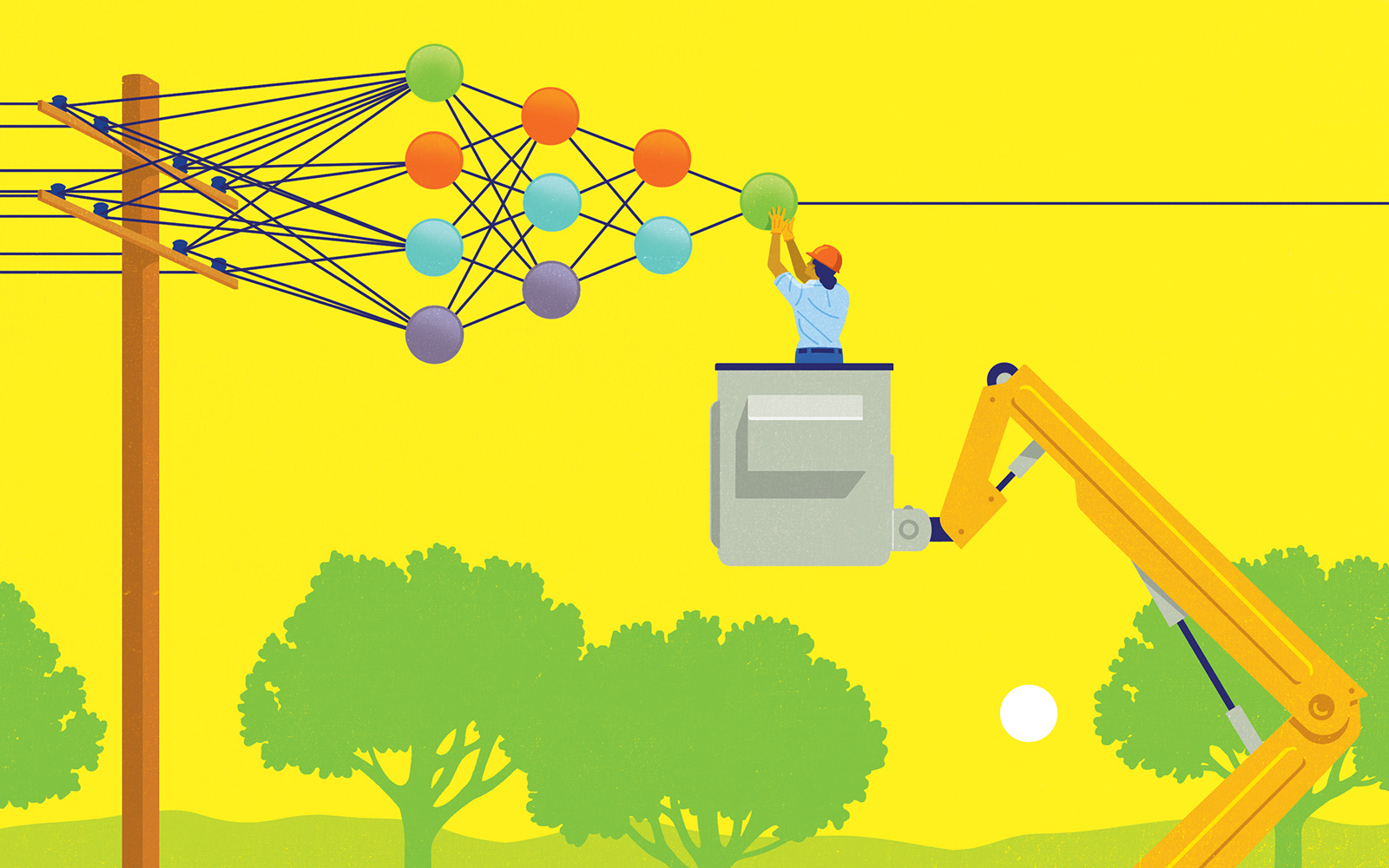
UMD engineers develop a streamlined method for tuning large language models that cuts energy use and boosts performance.
The development and deployment of large language models (LLMs) require vast amounts of energy. Communities where data centers are located have seen strains on their electric supply and spikes in energy prices.
Assistant Professor of Electrical and Computer Engineering Sanghamitra Dutta is devising more efficient ways to design language models in order to save energy and precious natural resources. Her work is applicable to models customized for specific tasks, such as a bank’s chatbot that provides customer service. In contrast to general-purpose LLMs like ChatGPT, customized models are generally deployed in environments with more constrained storage and memory capabilities.
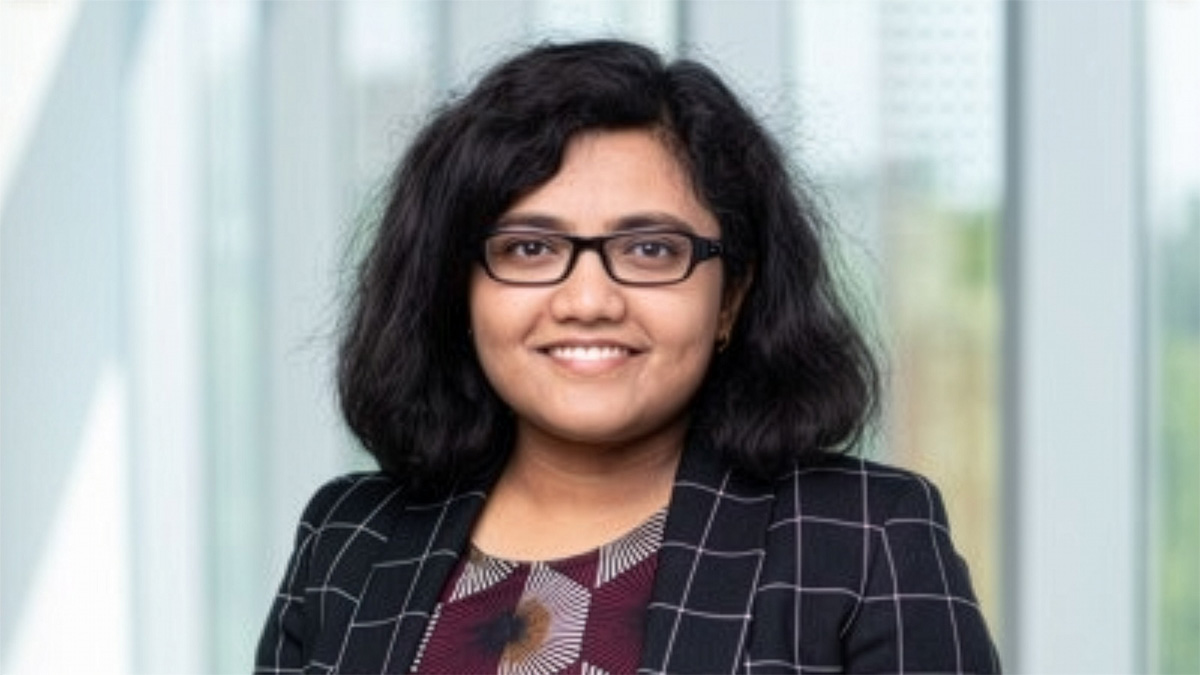
In 2025, Dutta was featured in the list of 100 Brilliant Women in AI Ethics™.
One project involves knowledge distillation, the process of training a smaller language model (called a student) from a larger model (called a teacher). Dutta’s work makes the knowledge distillation process more efficient by using a strategic set of data points to tune the model.
Take, for instance, a feature on a bank’s website that can tell a customer whether they’d qualify for a loan. Instead of training the model with data-point pairs of loan applications and their result—acceptance or decline—her method gets more specific by using contrasting data points called “counterfactuals,” designed to help the model understand and generate “what-if” scenarios that assess how outcomes changed with small differences in past conditions.
By using counterfactuals, Dutta’s method cuts the total number of data points needed for training in half, and also yields performance improvements. Less training time means less energy used: “We can train these student models much faster, and the student models are more faithful to the teacher models,” Dutta says. “It’s a win-win situation.”
View all: Engineering AI for the Public Good