Optimizing physical systems with big data
UMD engineers help industry improve safety and maximize output by identifying and collecting useful data that can be analyzed for optimization by AI.
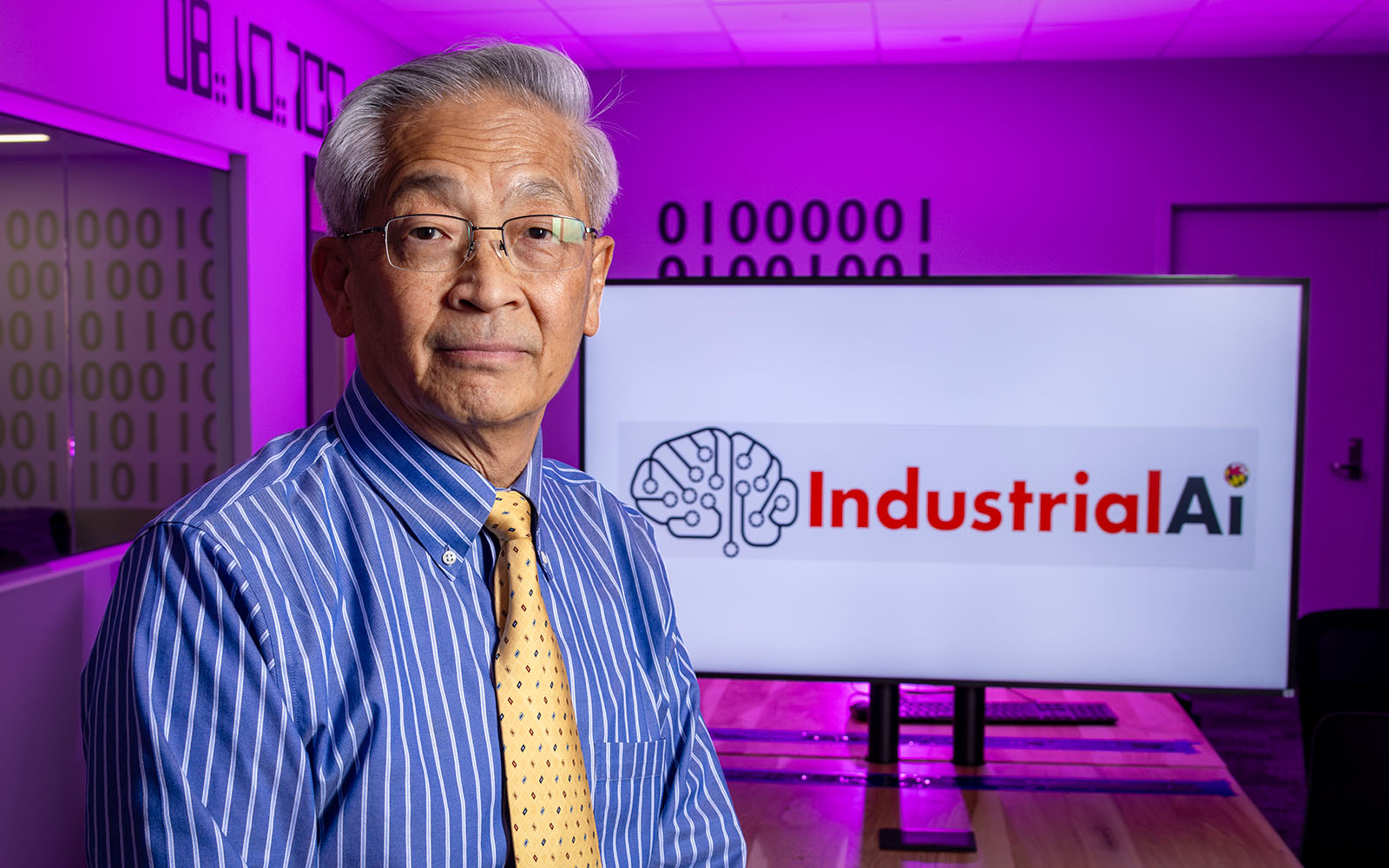
UMD engineers help industry improve safety and maximize output by identifying and collecting useful data that can be analyzed for optimization by AI.
AI can help virtually every industry work more safely, efficiently, and productively. But successful application of AI requires good data, and many companies aren’t sure what information they should collect or how AI could improve their daily operations.
Clark Distinguished Chair and Professor of Mechanical Engineering Jay Lee leads the Industrial AI Center at UMD, which prepares engineers to identify useful data and train AI models that optimize physical systems.
“We want engineers who know how to collect the right data and use it effectively,” Lee says. “That’s how data turn into useful insights and real value.”
AI creates value by:
Take, for example, Lee’s past work with a cargo shipping company. Weather, wind, and ocean waves all create drag force on ships and decrease their speed and maneuverability. Lee developed a program to model these three factors and identify more efficient routes that cut fuel consumption by 6%.
Lee also has used machine learning to analyze weather data and adjust the angle of the blades on wind turbines to reduce overnight ice accumulation. Those small changes kept turbines running efficiently and prevented power loss. “With industrial AI, we can identify these invisible losses and create savings,” he says.
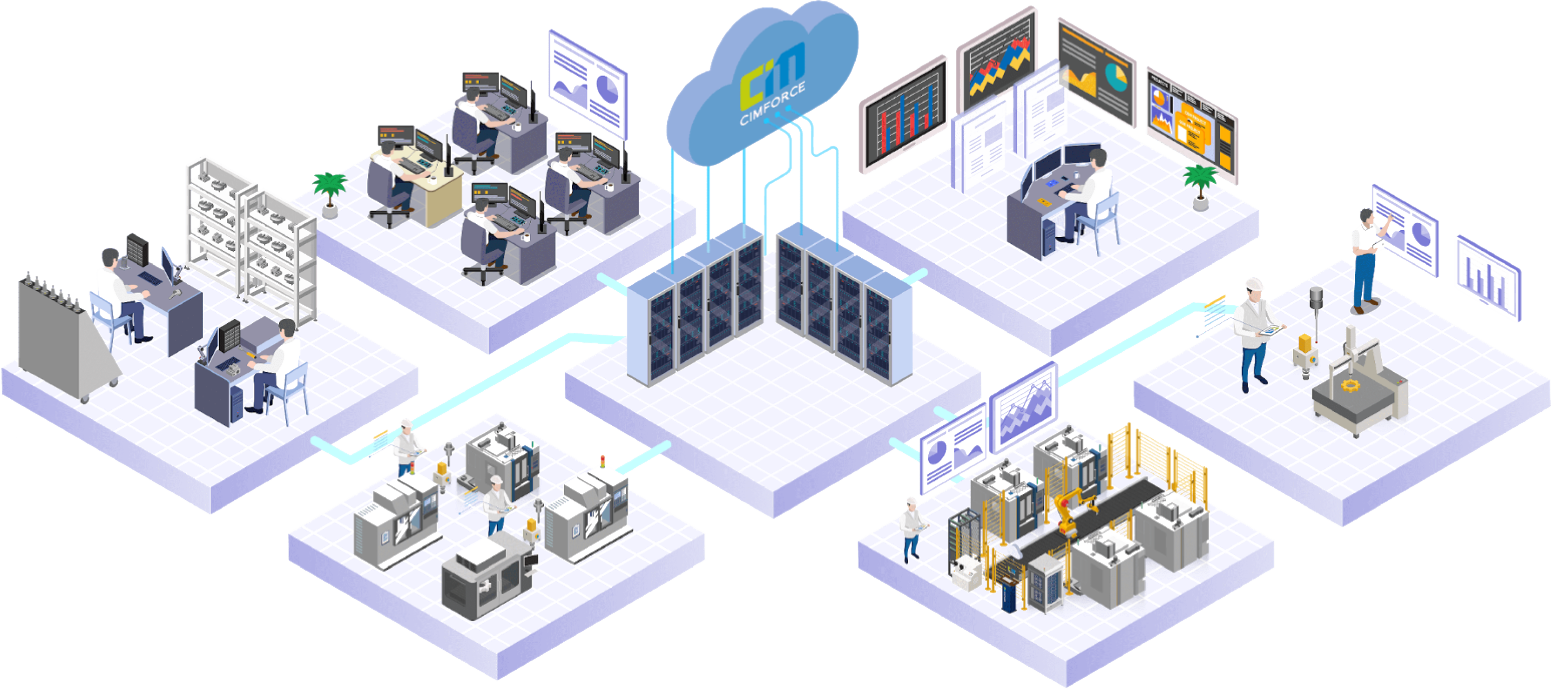
Lee proposes establishing an AI Factory at University of Maryland that would serve as a “collaboratory” to help teams work more efficiently and effectively.
In an industrial context, AI allows people to work smarter, not harder. For instance, in manufacturing, machines generate massive amounts of sensor data every second. Traditionally, engineers and machine operators would review the data manually to identify problems with equipment or quality—a laborious process. But AI can automatically detect defects, predict equipment wear, and recommend adjustments in real time, reducing the physical and mental workload on employees.
AI can play a key role in rebuilding the U.S. manufacturing sector, Lee says—but only if it’s used thoughtfully. This means making better decisions, not simply speeding up production. It also means educating engineers who understand how AI applies to real machines and factories. The expansion of this career opportunity can make manufacturing a “high-pay, high-tech career path.”
UMD is developing a new “collaboratory” called the AI Factory, which uses real industrial data to develop machine learning tools. Students and professionals will learn from these case studies, preparing them to lead in an AI-powered industrial future.
View all: Engineering AI for the Public Good