Data centers: Implementing novel ways to reuse cooling water
UMD engineers are improving standards for the water used to cool server racks; in turn, this cleaner water can have a second life by heating greenhouses or other structures.
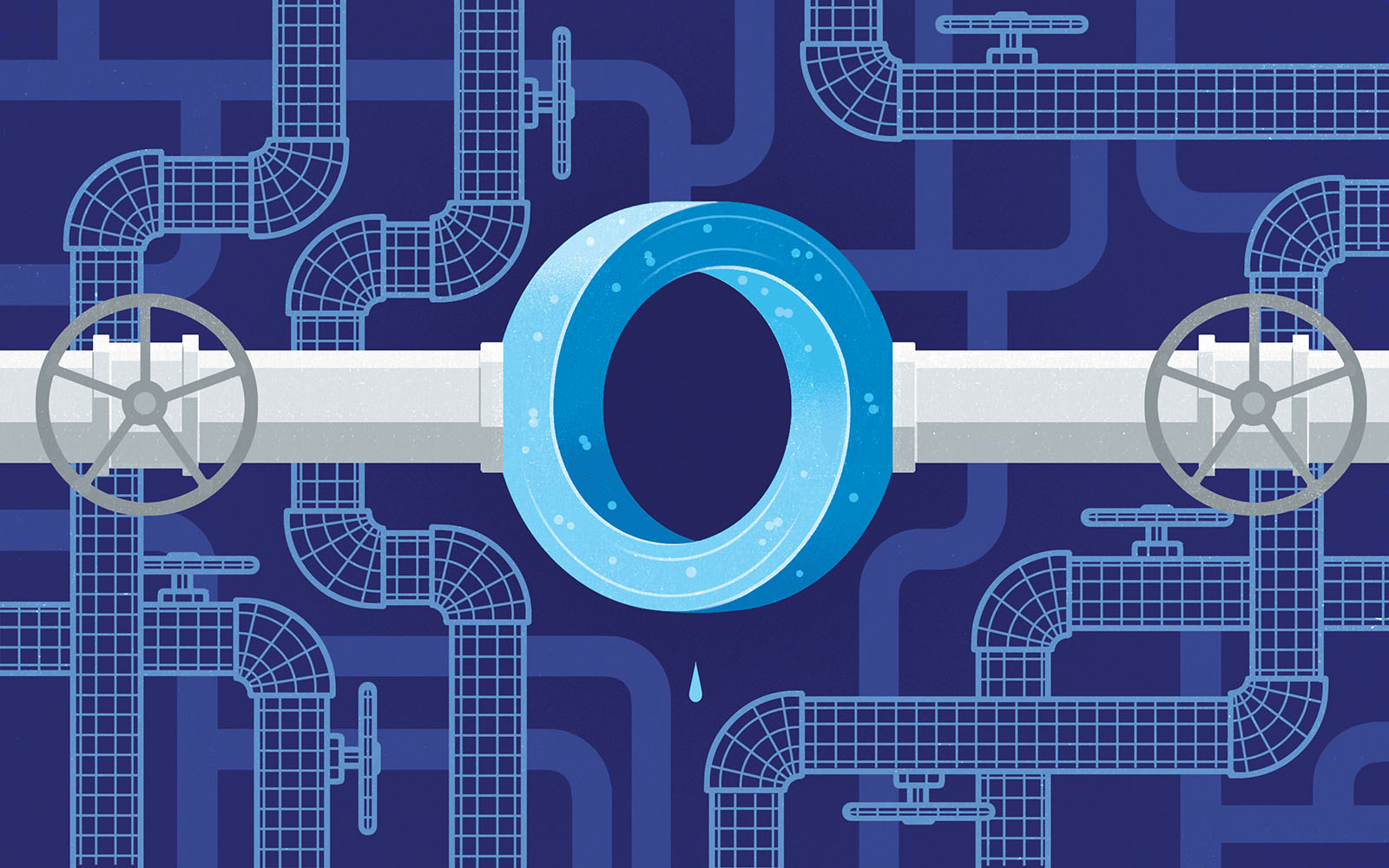
UMD engineers are improving standards for the water used to cool server racks; in turn, this cleaner water can have a second life by heating greenhouses or other structures.
Most data centers use a staggering amount of water to cool their racks of servers. When biofilms (bacterial colonies that form tough, slimy layers on surfaces) establish on the cooling equipment’s heat exchangers, they decrease the efficiency of the cooling system, requiring the use of more electricity.
What’s more, discharging treated, warmed water from data centers has negative impacts on the environment—and wastes that unused heat energy.
Professor of Civil and Environmental Engineering and Chair of Civil Empowerment Birthe Kjellerup is working with water treatment companies to establish standards for evaluation of biofilms, and for what water sources can be used in data centers to reduce bacterial growth.
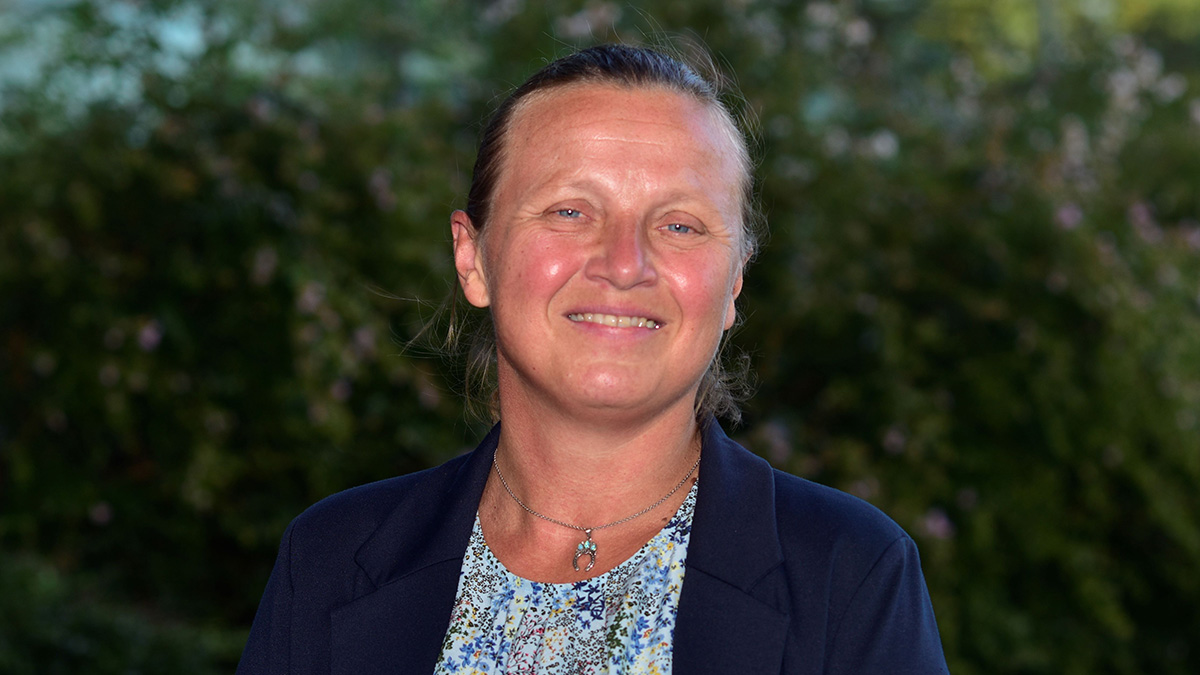
Kjellerup specializes in beneficial and harmful microbial biofilms in engineered environments such as cooling systems.
Kjellerup is also convening conversations about the potential use of warmed water that would otherwise go to waste for heating other structures in a closed-loop system called “district heating.” In some European countries, for instance, data centers are co-located with greenhouses so that the excess heat generated by servers can nurture vegetables in winter.
“That’s what we mean by the circular economy,” Kjellerup says. “It’s finding opportunities to use resources that otherwise would be wasted.
View all: Engineering AI for the Public Good