News Story
Alisa Morss Clyne Named Interim Chair of UMD Bioengineering
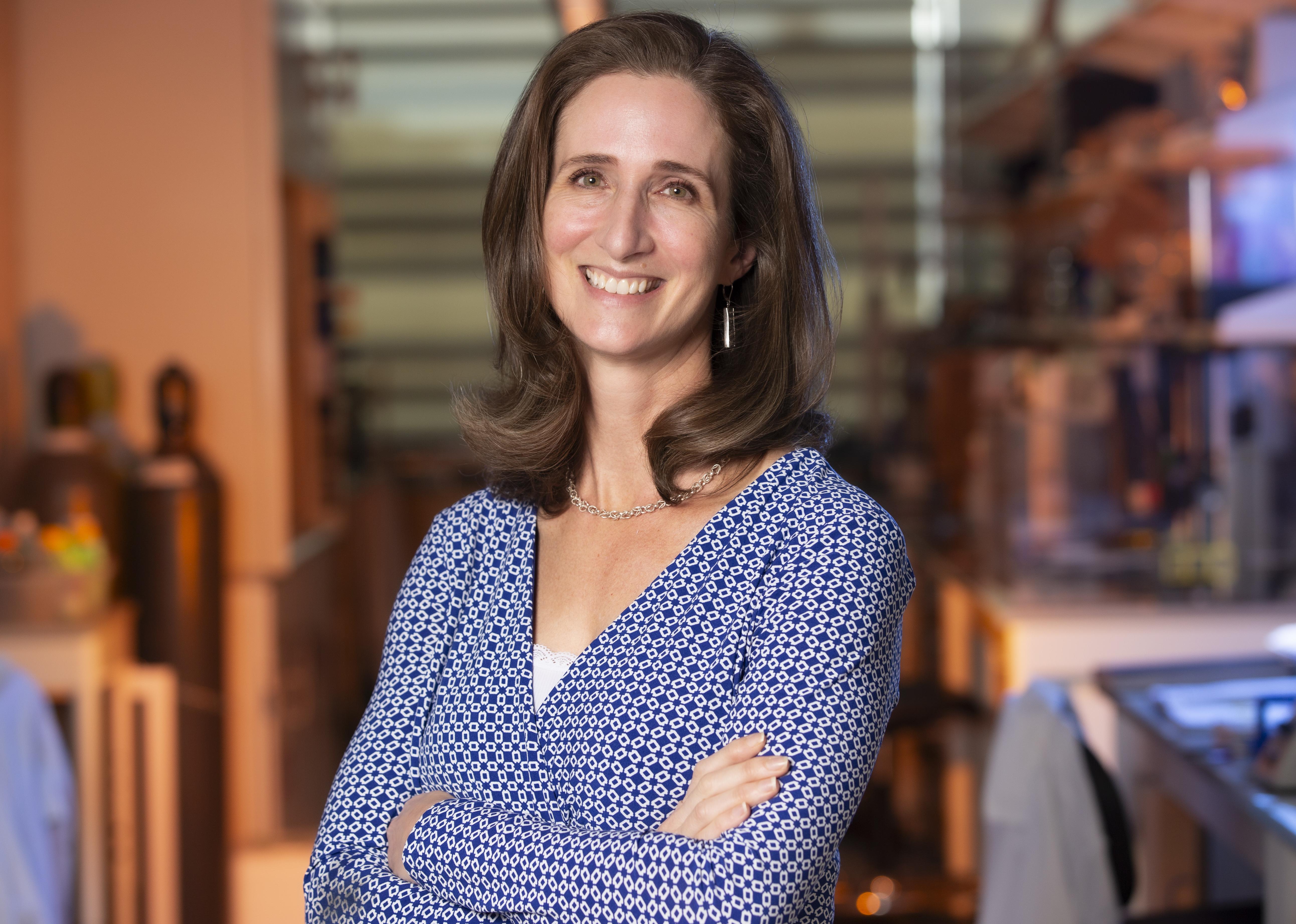
Professor Alisa Morss Clyne has been appointed interim chair of the University of Maryland’s Fischell Department of Bioengineering, effective Aug. 1, 2026. A longtime faculty member and internationally recognized researcher in vascular mechanobiology and metabolism, Clyne will help guide the department through its next phase of academic, research, and strategic growth.
Since joining UMD in 2019, Clyne has helped shape the department through research, teaching, mentorship, and professional leadership. As director of the Vascular Kinetics Laboratory, she studies how mechanical forces such as blood flow influence metabolism and contribute to diseases including atherosclerosis, Alzheimer’s disease, pulmonary arterial hypertension, and Niemann-Pick disease. Her research sits at the intersection of engineering, vascular biology, and metabolism. Using computational models, 3D in vitro systems, and animal and human studies, Clyne and her lab investigate how changes in blood flow and cellular metabolism alter endothelial cell function and contribute to disease progression. The work aims to uncover biological mechanisms behind vascular and neurodegenerative disease while advancing potential therapeutic approaches.
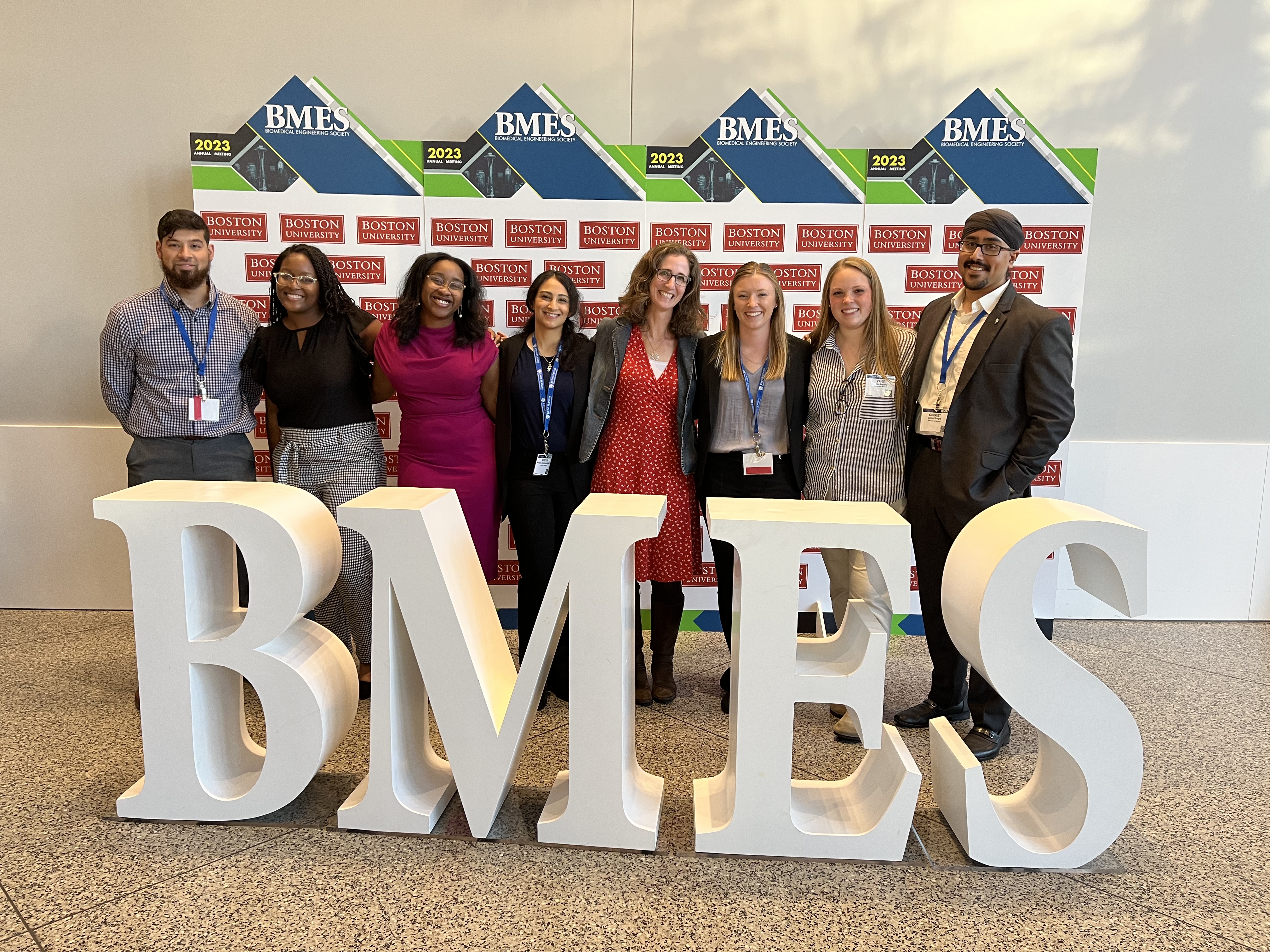
“My greatest joy comes from helping others succeed, whether it is undergraduate students in my class, graduate students in my lab, or colleagues in my department,” Clyne said. “By supporting our faculty, staff, and students, I aim to preserve what already makes our department special while positioning us for new opportunities and growth.”
Beyond her research, Clyne has played a major role in advancing interdisciplinary research and educational initiatives across the university. She is helping develop the UMD Women's Health Interdisciplinary Collaborative (WHIRC) and serves as a principal investigator on the NIH-funded Maximizing Access to Research Careers (MARC) undergraduate research training grant.
“Dr. Fisher has done an amazing job creating an effective departmental management structure,” Clyne said. “I’ll work with the associate department chairs and staff to provide stability during this leadership transition and prepare the ground for the next permanent chair.”
“My greatest joy comes from helping others succeed, whether it is undergraduate students in my class, graduate students in my lab, or colleagues in my department. By supporting our faculty, staff, and students, I aim to preserve what already makes our department special while positioning us for new opportunities and growth.”
-Alisa Morss Clyne
As interim chair, Clyne's priorities will include preparing students to use AI responsibly in bioengineering, strengthening the department’s financial resilience, and supporting equitable workloads across faculty and staff. She also hopes to expand experiential learning opportunities and strengthen collaborations with the medical school and biotechnology industry through the Edward and Jennifer St. John Center for Translational Engineering in Medicine.
“Alisa has made lasting contributions to the department through her research, mentorship, teaching, and leadership,” said BIOE Chair John P. Fisher. “She understands the strengths of this community and is deeply committed to supporting our faculty, staff, and students. I am confident she will guide the department thoughtfully during this transition.”
Clyne has also been recognized for her contributions to engineering education, mentorship, and service. In 2025, she received both the Poole and Kent Teaching Award for Senior Faculty and the Faculty Service Award during the Clark School Faculty and Staff Recognition Celebration. Earlier in her career, she received the Elizabeth Bingham Mentoring Award from the Association for Women in Science for her efforts to support inclusion in science and engineering.
She is a fellow of the American Society of Mechanical Engineers, Biomedical Engineering Society, American Heart Association, and American Institute for Medical and Biological Engineering. Her honors include the NSF CAREER Award, an American Heart Association National Scientist Development Grant, the BMES-CMBE Rising Star Award, a Fulbright Distinguished Scholar Award, and the 2026 ASME Van C. Mow Medal.
In addition to her research and teaching, Clyne holds leadership roles in several major professional organizations. She currently serves on the American Society of Mechanical Engineers Board of Governors, chairs the Biomedical Engineering Society Publications Board, and is an incoming associate editor for the American Heart Association journal Circulation. She also previously served as an ADVANCE Professor for the Clark School, supporting faculty recruitment, retention, advancement, and professional development.
Looking ahead, Clyne said the department’s collaborative culture will continue to drive innovation in research, education, and service.
“At the heart, our department is defined by an exceptional group of people who are deeply committed to teaching, research, and service,” Clyne said. “We collaborate effectively, and that culture creates an environment in which students truly thrive.”
Published June 15, 2026
Related Stories
Stories / September 10, 2026
BIOE Announces Faculty Promotions and Appointments

Stories / August 5, 2025
Scarcelli Promoted to Full Professor, Appointed CTEM...
Stories / December 14, 2023
Fisher Honored as Fellow of Biomaterials Science and Engineering

Stories / October 31, 2023
John P. Fisher Elected Chair of the Council of Chairs

Stories / September 12, 2023
John P. Fisher Elected to BMES Board of Directors
Stories / October 5, 2026
Mueller Lab Receives Two NIH Grants to Advance Low-Cost Cancer...

Stories / September 16, 2026
New Faculty Members for 2026-27 Engineer for the Public Good
Stories / September 14, 2026
Project, Problem, Solution: MATRIX Interns Make an Impact
Stories / September 3, 2026
UMD Convocation will honor five from the Clark School
Stories / August 26, 2026
Graham Named Honorary ASME Member
